



- Afhalen na 1 uur in een winkel met voorraad
- In januari gratis thuislevering in België
- Ruim aanbod met 7 miljoen producten
- Afhalen na 1 uur in een winkel met voorraad
- In januari gratis thuislevering in België
- Ruim aanbod met 7 miljoen producten





€ 34,49
+ 34 punten
Uitvoering
Omschrijving
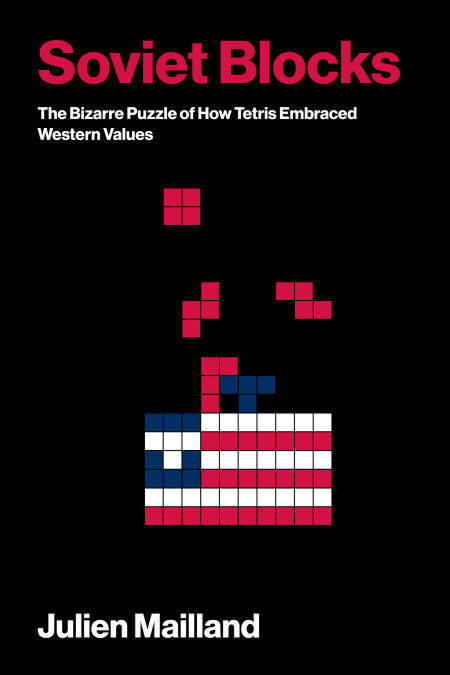
A geopolitical and legal history of the bestselling videogame Tetris—the stunningly successful game that began in a Soviet research lab monitored by the KGB.
Tetris—the game that would take the world by storm—was formally introduced to the West in 1987, at a time when Soviet technology exports were minimal and the Berlin Wall was still standing strong. Far from being a capitalist cultural product, the game had actually been designed in a Soviet computer lab tightly monitored by the KGB, at a time when Ronald Reagan referred to the USSR as the “evil empire.”
So, how did Tetris jump the wall to become such a blockbuster? And why does a US company, The Tetris Company (TTC), now own the game, when it was the property of Mother Russia? Why has TTC been able to monopolize both the shape of the pieces which predated Tetris and the very concept of an electronic puzzle game with falling pieces, which flies in the face of traditional copyright law? Why and how have Soviet socialists morphed into hardcore capitalists? In Soviet Blocks, Julien Mailland answers these questions and more, explaining the fascinating history of Tetris’ commercial success as a story of two systems radically opposed in histories, cultures, economics, and politics.
Tetris—the game that would take the world by storm—was formally introduced to the West in 1987, at a time when Soviet technology exports were minimal and the Berlin Wall was still standing strong. Far from being a capitalist cultural product, the game had actually been designed in a Soviet computer lab tightly monitored by the KGB, at a time when Ronald Reagan referred to the USSR as the “evil empire.”
So, how did Tetris jump the wall to become such a blockbuster? And why does a US company, The Tetris Company (TTC), now own the game, when it was the property of Mother Russia? Why has TTC been able to monopolize both the shape of the pieces which predated Tetris and the very concept of an electronic puzzle game with falling pieces, which flies in the face of traditional copyright law? Why and how have Soviet socialists morphed into hardcore capitalists? In Soviet Blocks, Julien Mailland answers these questions and more, explaining the fascinating history of Tetris’ commercial success as a story of two systems radically opposed in histories, cultures, economics, and politics.
Specificaties
Betrokkenen
- Auteur(s):
- Uitgeverij:
Inhoud
- Aantal bladzijden:
- 204
- Taal:
- Engels
- Reeks:
Eigenschappen
- Productcode (EAN):
- 9780262054607
- Verschijningsdatum:
- 21/09/2026
- Uitvoering:
- E-book
- Beveiligd met:
- Adobe DRM
- Formaat:
- ePub


Alleen bij Standaard Boekhandel
+ 34 punten op je klantenkaart van Standaard Boekhandel
Cadeau

AANGERADEN


Beoordelingen
We publiceren alleen reviews die voldoen aan de voorwaarden voor reviews. Bekijk onze voorwaarden voor reviews.