


- Afhalen na 1 uur in een winkel met voorraad
- Gratis thuislevering in België vanaf € 30
- Ruim aanbod met 7 miljoen producten
- Afhalen na 1 uur in een winkel met voorraad
- Gratis thuislevering in België vanaf € 30
- Ruim aanbod met 7 miljoen producten





€ 54,45
+ 108 punten
Omschrijving
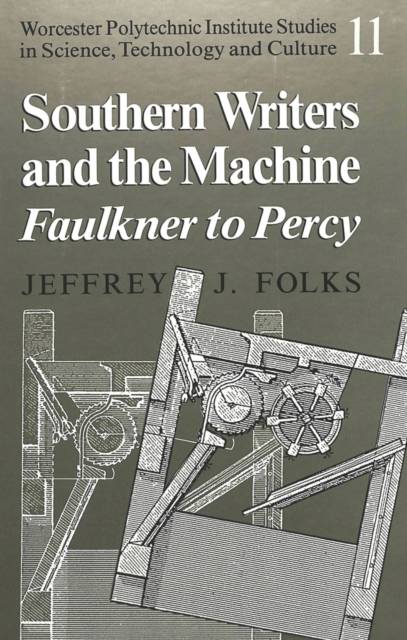
Southern Writers and the Machine Faulkner to Percy traces the artistic treatment of mechanization among two generations of Southern writers. The book studies the artistic and philosophical responses to the increasing mechanization of the South in the work of Faulkner, Tate, O'Connor, Styron, Gaines, and Percy. It argues that these writers were working within a self-conscious aesthetic tradition which evolved out of the southern writer's unique position in relation to a past traditional order and a rapidly emerging future industrial society. The book breaks new ground by analyzing in close detail the relationship between the historical fact of mechanization and the artistic strategies employed in response to it.
Specificaties
Betrokkenen
- Auteur(s):
- Uitgeverij:
Inhoud
- Aantal bladzijden:
- 186
- Taal:
- Engels
- Reeks:
- Reeksnummer:
- nr. 11
Eigenschappen
- Productcode (EAN):
- 9780820418568
- Verschijningsdatum:
- 1/12/1993
- Uitvoering:
- Hardcover
- Formaat:
- Genaaid
- Afmetingen:
- 236 mm x 160 mm
- Gewicht:
- 434 g


Alleen bij Standaard Boekhandel
+ 108 punten op je klantenkaart van Standaard Boekhandel
Cadeau

AANGERADEN


Beoordelingen
We publiceren alleen reviews die voldoen aan de voorwaarden voor reviews. Bekijk onze voorwaarden voor reviews.