


- Afhalen na 1 uur in een winkel met voorraad
- Gratis thuislevering in België vanaf € 30
- Ruim aanbod met 7 miljoen producten
- Afhalen na 1 uur in een winkel met voorraad
- Gratis thuislevering in België vanaf € 30
- Ruim aanbod met 7 miljoen producten





Omschrijving
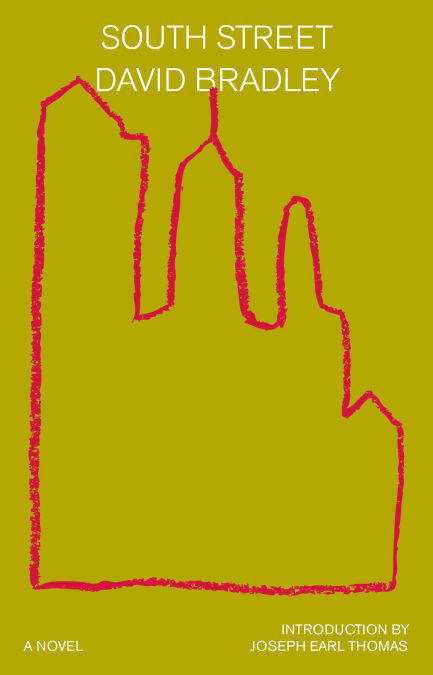
South Street is a brilliant, heartfelt portrait of Black urban life and a man grappling with the messy, uncontainable truths of life, love, and survival.
Philadelphia’s South Street in the 1970s is a place of sharp contrasts. On one block, working stiffs swap stories with winos at Lightnin’ Ed’s bar; a few doors down, gangsters and sex workers navigate a world on the edge. The neighborhood hums with life, even as the old guard ages out, the disenfranchised find themselves out of work, and the city’s officials write the whole place off as blighted. And yet, somehow, the community endures.
Into this world comes Adlai Stevenson Brown, a Black poet searching for authenticity and a neighborhood to save. But South Street refuses to be neatly defined. Its grit is real, its danger immediate, and its residents are far more complicated than Adlai—or anyone—could imagine. In trying to save the street, he may discover he’s the one who needs saving.
With riotous humor, sharp insight, and a poet’s ear for the life of a place, PEN/Faulkner Award–winner David Bradley’s debut novel, first published in 1975, captures a vanished era and a city vibrating with beautiful contradictions.
Philadelphia’s South Street in the 1970s is a place of sharp contrasts. On one block, working stiffs swap stories with winos at Lightnin’ Ed’s bar; a few doors down, gangsters and sex workers navigate a world on the edge. The neighborhood hums with life, even as the old guard ages out, the disenfranchised find themselves out of work, and the city’s officials write the whole place off as blighted. And yet, somehow, the community endures.
Into this world comes Adlai Stevenson Brown, a Black poet searching for authenticity and a neighborhood to save. But South Street refuses to be neatly defined. Its grit is real, its danger immediate, and its residents are far more complicated than Adlai—or anyone—could imagine. In trying to save the street, he may discover he’s the one who needs saving.
With riotous humor, sharp insight, and a poet’s ear for the life of a place, PEN/Faulkner Award–winner David Bradley’s debut novel, first published in 1975, captures a vanished era and a city vibrating with beautiful contradictions.
Specificaties
Betrokkenen
- Auteur(s):
- Uitgeverij:
Inhoud
- Aantal bladzijden:
- 544
- Taal:
- Engels
Eigenschappen
- Productcode (EAN):
- 9780385552103
- Verschijningsdatum:
- 8/02/2027
- Uitvoering:
- E-book
- Beveiligd met:
- Adobe DRM
- Formaat:
- ePub


Alleen bij Standaard Boekhandel
+ 15 punten op je klantenkaart van Standaard Boekhandel
CADEAU

AANGERADEN


Beoordelingen
We publiceren alleen reviews die voldoen aan de voorwaarden voor reviews. Bekijk onze voorwaarden voor reviews.