



Je cadeautjes zeker op tijd in huis hebben voor de feestdagen? Kom langs in onze winkels en vind het perfecte geschenk!
- Afhalen na 1 uur in een winkel met voorraad
- Gratis thuislevering in België vanaf € 30
- Ruim aanbod met 7 miljoen producten
Je cadeautjes zeker op tijd in huis hebben voor de feestdagen? Kom langs in onze winkels en vind het perfecte geschenk!
- Afhalen na 1 uur in een winkel met voorraad
- Gratis thuislevering in België vanaf € 30
- Ruim aanbod met 7 miljoen producten




Omschrijving
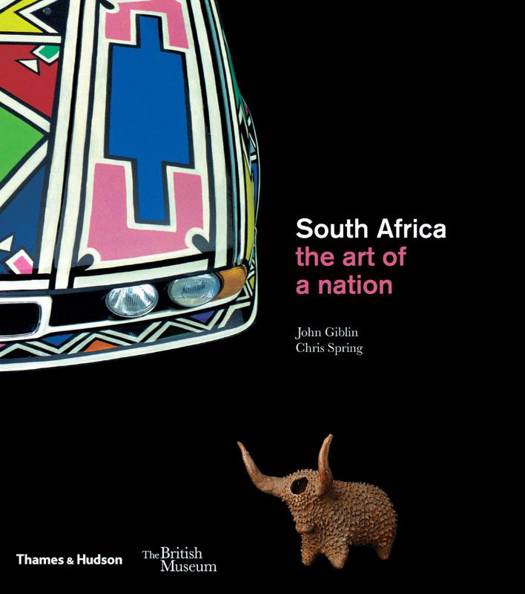
South Africa has an established, vibrant and highly politicized contemporary art scene that is often in dialogue with the deep and recent past.
South African Art explores this relationship between past and present, showing contemporary and historic art objects from the earliest human artistic tendencies three million years ago to 20th-century apartheid Resistance Art and the art of post-apartheid transformation. South African Art begins with the first artistic stirrings of our earliest ancestors and the first African kingdoms through to the creation of 3D figurative art and specialised artisans. It then considers the influence of Dutch, British, Malay, Chinese and Indian settlers from the 16th century onwards and the ensuing conflicts, followed by a focus on the British colonial period and the European obsession with the exotic and the objectification of African bodies. A chapter on segregation after the Union of South Africa in 1910 and Resistance Art during the apartheid era of c.1970 to 1989 is followed by a final section looking at South Africa’s transformation from an apartheid state to the ‘Rainbow Nation’, and the country’s current artistic optimism.
South African Art explores this relationship between past and present, showing contemporary and historic art objects from the earliest human artistic tendencies three million years ago to 20th-century apartheid Resistance Art and the art of post-apartheid transformation. South African Art begins with the first artistic stirrings of our earliest ancestors and the first African kingdoms through to the creation of 3D figurative art and specialised artisans. It then considers the influence of Dutch, British, Malay, Chinese and Indian settlers from the 16th century onwards and the ensuing conflicts, followed by a focus on the British colonial period and the European obsession with the exotic and the objectification of African bodies. A chapter on segregation after the Union of South Africa in 1910 and Resistance Art during the apartheid era of c.1970 to 1989 is followed by a final section looking at South Africa’s transformation from an apartheid state to the ‘Rainbow Nation’, and the country’s current artistic optimism.
Specificaties
Betrokkenen
- Auteur(s):
- Uitgeverij:
Inhoud
- Aantal bladzijden:
- 256
- Taal:
- Engels
- Geïllustreerd:
- Ja
Eigenschappen
- Productcode (EAN):
- 9780500292839
- Verschijningsdatum:
- 10/11/2016
- Uitvoering:
- Paperback
- Afmetingen:
- 222 mm x 251 mm
- Gewicht:
- 1110 g


Alleen bij Standaard Boekhandel
+ 69 punten op je klantenkaart van Standaard Boekhandel
CADEAU


Beoordelingen
We publiceren alleen reviews die voldoen aan de voorwaarden voor reviews. Bekijk onze voorwaarden voor reviews.