


- Afhalen na 1 uur in een winkel met voorraad
- Gratis thuislevering in België vanaf € 30
- Ruim aanbod met 7 miljoen producten
- Afhalen na 1 uur in een winkel met voorraad
- Gratis thuislevering in België vanaf € 30
- Ruim aanbod met 7 miljoen producten




€ 63,60
+ 127 punten
Omschrijving
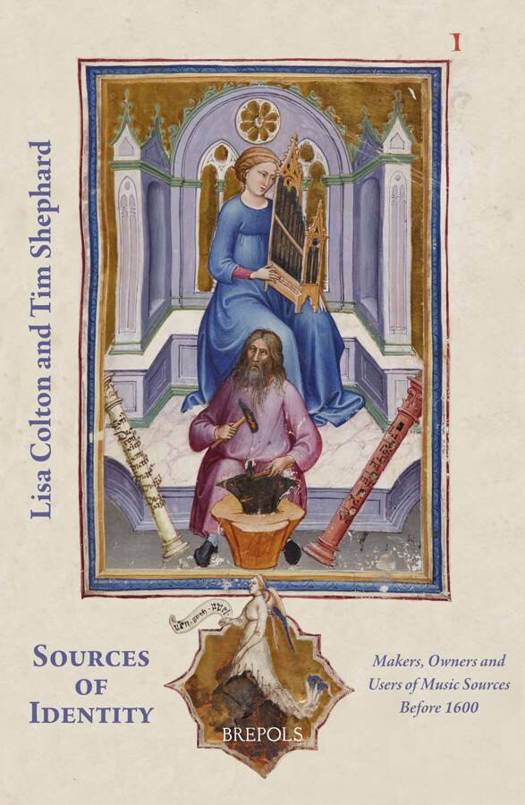
The papers included in this volume were presented, in much shorter form, at a conference entitled 'Sources of Identity: Makers, Owners and Users of Music Sources Before 1600' held at the University of Sheffield in 2013. The stated aim of the event was to leave aside the traditionally dominant view of early music sources as a means of access to medieval and Renaissance repertoires, focussing instead on the people who commissioned, made, owned and used music books, and on their reasons for so doing. In the terms proposed by a recent study of art patronage in the period, what was the 'payoff' enjoyed by individuals and groups who created and deployed such objects?
Specificaties
Betrokkenen
- Auteur(s):
- Uitgeverij:
Inhoud
- Aantal bladzijden:
- 340
- Taal:
- Engels
- Reeks:
Eigenschappen
- Productcode (EAN):
- 9782503567785
- Verschijningsdatum:
- 7/07/2017
- Uitvoering:
- Paperback
- Formaat:
- Trade paperback (VS)
- Afmetingen:
- 193 mm x 287 mm
- Gewicht:
- 1338 g


Alleen bij Standaard Boekhandel
+ 127 punten op je klantenkaart van Standaard Boekhandel
AANGERADEN


Beoordelingen
We publiceren alleen reviews die voldoen aan de voorwaarden voor reviews. Bekijk onze voorwaarden voor reviews.