


- Afhalen na 1 uur in een winkel met voorraad
- Gratis thuislevering in België vanaf € 30
- Ruim aanbod met 7 miljoen producten
- Afhalen na 1 uur in een winkel met voorraad
- Gratis thuislevering in België vanaf € 30
- Ruim aanbod met 7 miljoen producten





€ 79,95
+ 159 punten
Omschrijving
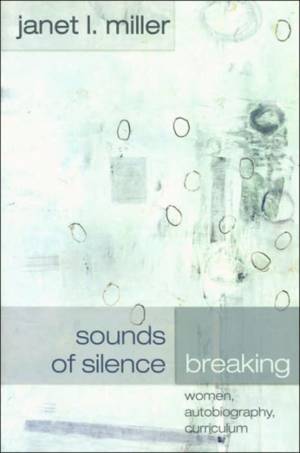
Janet L. Miller is one of the most important and influential curriculum theorists of our time. Sounds of Silence Breaking presents a broad range of her writing from the last two decades. This book contains portraits of self-complicating work that disrupt unitary and normative conceptions of women, autobiography, and curriculum. Miller reconceptualizes curriculum theory through the application of her own theories, as well as those of other important figures in the movement. She also utilizes her extensive collaborative research with K-12 teachers and juxtaposes her essays in ways that invite the reader to view them as self- and cross-interrogating. Read together, these pieces underscore how changing narrative and interpretive practices have framed and re-framed constructions of her gendered work and selves as academic woman, curriculum theorist, and qualitative researcher.
Specificaties
Betrokkenen
- Auteur(s):
- Uitgeverij:
Inhoud
- Aantal bladzijden:
- 290
- Taal:
- Engels
- Reeks:
- Reeksnummer:
- nr. 1
Eigenschappen
- Productcode (EAN):
- 9780820461571
- Verschijningsdatum:
- 24/02/2005
- Uitvoering:
- Paperback
- Formaat:
- Trade paperback (VS)
- Afmetingen:
- 152 mm x 229 mm
- Gewicht:
- 435 g


Alleen bij Standaard Boekhandel
+ 159 punten op je klantenkaart van Standaard Boekhandel
Cadeau

AANGERADEN


Beoordelingen
We publiceren alleen reviews die voldoen aan de voorwaarden voor reviews. Bekijk onze voorwaarden voor reviews.