



Je cadeautjes zeker op tijd in huis hebben voor de feestdagen? Kom langs in onze winkels en vind het perfecte geschenk!
- Afhalen na 1 uur in een winkel met voorraad
- Gratis thuislevering in België vanaf € 30
- Ruim aanbod met 7 miljoen producten
Je cadeautjes zeker op tijd in huis hebben voor de feestdagen? Kom langs in onze winkels en vind het perfecte geschenk!
- Afhalen na 1 uur in een winkel met voorraad
- Gratis thuislevering in België vanaf € 30
- Ruim aanbod met 7 miljoen producten





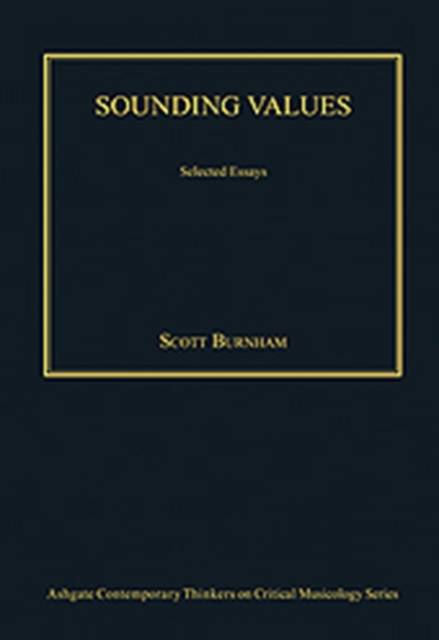
Omschrijving
For several decades, Scott Burnham has sought to bring a ready ear and plenty of humanistic warmth to musicological inquiry. Sounding Values features eighteen of his essays on mainstream Western music, music theory, aesthetics and criticism. In these writings, Burnham listens for the values-aesthetic, ethical, intellectual-of those who have created influential discourse about music, while also listening for the values of the music for which that discourse has been generated. The first half of the volume confronts pressing issues of historical theory and aesthetics, including intellectual models of tonal theory, leading concepts of sonata form, translations of music into poetic meaning, and recent rifts and rapprochements between criticism and analysis. The essays in the second half can be read as a series of critical appreciations, engaging some of the most consequential reception tropes of the past two centuries: Haydn and humor, Mozart and beauty, Beethoven and the sublime, Schubert and memory.
Specificaties
Betrokkenen
- Auteur(s):
- Uitgeverij:
Inhoud
- Aantal bladzijden:
- 346
- Taal:
- Engels
- Reeks:
Eigenschappen
- Productcode (EAN):
- 9780754628866
- Verschijningsdatum:
- 14/07/2010
- Uitvoering:
- Hardcover
- Formaat:
- Genaaid
- Afmetingen:
- 168 mm x 245 mm
- Gewicht:
- 883 g


Alleen bij Standaard Boekhandel
+ 432 punten op je klantenkaart van Standaard Boekhandel
CADEAU


Beoordelingen
We publiceren alleen reviews die voldoen aan de voorwaarden voor reviews. Bekijk onze voorwaarden voor reviews.