


- Afhalen na 1 uur in een winkel met voorraad
- Gratis thuislevering in België vanaf € 30
- Ruim aanbod met 7 miljoen producten
- Afhalen na 1 uur in een winkel met voorraad
- Gratis thuislevering in België vanaf € 30
- Ruim aanbod met 7 miljoen producten





Omschrijving
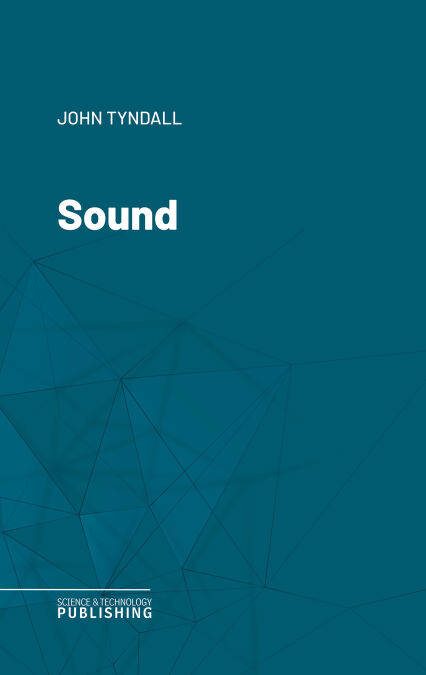
Sound: An Elementary Textbook on the Science of Sound, for the Use of Students in Colleges and Technical Schools by William Hallock and Herbert T. Wade is a comprehensive and accessible exploration of the principles and phenomena of sound. Designed for students and general readers alike, the book delves into the fundamental concepts of acoustics, beginning with the nature and propagation of sound waves through various media. It covers the essential properties of sound, such as pitch, loudness, and quality, and explains the physical basis of these characteristics in clear, straightforward language. The authors guide readers through the mechanics of vibration, resonance, and the behavior of sound in air, liquids, and solids. The text examines the mathematical relationships governing sound waves, including frequency, wavelength, and velocity, and provides practical examples and experiments to illustrate key ideas. Special attention is given to the human perception of sound, the structure and function of the ear, and the science behind musical tones and instruments. Throughout the book, Hallock and Wade emphasize the importance of scientific observation and experimentation, offering numerous diagrams, illustrations, and problem sets to reinforce learning. The later chapters explore advanced topics such as the Doppler effect, echoes, reverberation, and the applications of sound in technology and communication, including telephony and acoustical engineering. Sound stands as a valuable resource for anyone seeking a thorough yet approachable introduction to the science of acoustics, blending theoretical foundations with practical insights and historical context. Its clear explanations and methodical approach make it an enduring reference for students, educators, and enthusiasts interested in the fascinating world of sound.
Specificaties
Betrokkenen
- Auteur(s):
- Uitgeverij:
Inhoud
- Taal:
- Engels
Eigenschappen
- Productcode (EAN):
- 9782528114421
- Verschijningsdatum:
- 31/08/2025
- Uitvoering:
- E-book
- Formaat:
- ePub


Alleen bij Standaard Boekhandel
+ 19 punten op je klantenkaart van Standaard Boekhandel
AANGERADEN


Beoordelingen
We publiceren alleen reviews die voldoen aan de voorwaarden voor reviews. Bekijk onze voorwaarden voor reviews.