


- Afhalen na 1 uur in een winkel met voorraad
- Gratis thuislevering in België vanaf € 30
- Ruim aanbod met 7 miljoen producten
- Afhalen na 1 uur in een winkel met voorraad
- Gratis thuislevering in België vanaf € 30
- Ruim aanbod met 7 miljoen producten
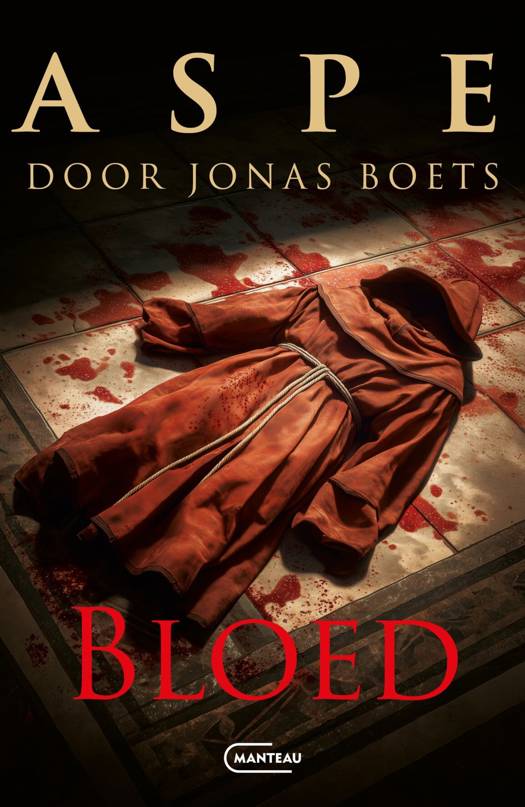




Sorrow in Sunlight
A Camp Modernist Satire of Caribbean Society, Race, Class, and Respectability
Ronald Firbank
Paperback | Engels
€ 7,95
+ 15 punten
Omschrijving
First published in Britain in 1924, Sorrow in Sunlight is one of Ronald Firbank's most daring exercises in comic compression and social masquerade. Set in a stylized Caribbean milieu, it follows the aspirations, anxieties, and theatrical self-fashioning of a Black family negotiating status, desire, religion, and respectability. Firbank's method is allusive and elliptical: dialogue flickers like overheard gossip, scenes dissolve into decorative tableaux, and satire emerges through cadence rather than plot. The book belongs to the experimental edge of modernism, while also reflecting the racial attitudes and exoticizing conventions of its period. Firbank, born Arthur Annesley Ronald Firbank in 1886, was an English aesthete, Catholic convert, and cosmopolitan outsider whose fiction transformed social observation into verbal arabesque. His homosexuality, fragile health, wealth, travels, and fascination with ritual and performance all shaped his art. In Sorrow in Sunlight, his attraction to surfaces-clothes, voices, gestures, ceremonies-becomes a means of exposing how identity is staged under social pressure. Recommended for readers of modernist fiction, camp aesthetics, and literary satire, this novel rewards patience with its wit, strangeness, and formal brilliance, while demanding historically alert reading.
Specificaties
Betrokkenen
- Auteur(s):
- Uitgeverij:
Inhoud
- Taal:
- Engels
Eigenschappen
- Productcode (EAN):
- 9788028330439
- Uitvoering:
- Paperback
- Afmetingen:
- 152 mm x 229 mm
- Gewicht:
- 86 g


Alleen bij Standaard Boekhandel
+ 15 punten op je klantenkaart van Standaard Boekhandel
Cadeau

AANGERADEN


Beoordelingen
We publiceren alleen reviews die voldoen aan de voorwaarden voor reviews. Bekijk onze voorwaarden voor reviews.