


- Afhalen na 1 uur in een winkel met voorraad
- Gratis thuislevering in België vanaf € 30
- Ruim aanbod met 7 miljoen producten
- Afhalen na 1 uur in een winkel met voorraad
- Gratis thuislevering in België vanaf € 30
- Ruim aanbod met 7 miljoen producten




Omschrijving
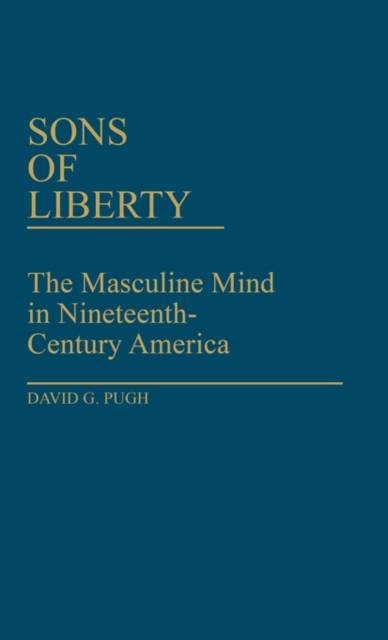
David G. Pugh examines the evolution and shape of the cult of masculinity in nineteenth-century America. The author contends that the men of the time had been cut loose from their traditional cultural moorings and required a leader with strength, endurance, and bravado. They sought these mythical Jacksonian qualities as a defense against aimless drifting and the anonymity and real dangers of the frontier. Attitudes of nineteenth-century men toward women and heterosexuality are revealed as a web of sexual anxieties, repression, and sublimation that fostered the conviction that manliness could best be achieved through independence from women. Pugh then assesses the impact of the Jacksonian legacy on the latter half of the century, and demonstrates that our modern conceptions of manliness and masculinity are deeply rooted in nineteenth-century prototypes.
Specificaties
Betrokkenen
- Auteur(s):
- Uitgeverij:
Inhoud
- Aantal bladzijden:
- 210
- Taal:
- Engels
- Reeks:
Eigenschappen
- Productcode (EAN):
- 9780313239342
- Verschijningsdatum:
- 2/12/1983
- Uitvoering:
- Hardcover
- Formaat:
- Genaaid
- Afmetingen:
- 140 mm x 216 mm
- Gewicht:
- 390 g



Alleen bij Standaard Boekhandel
+ 196 punten op je klantenkaart van Standaard Boekhandel
Cadeau

AANGERADEN


Beoordelingen
We publiceren alleen reviews die voldoen aan de voorwaarden voor reviews. Bekijk onze voorwaarden voor reviews.