


- Afhalen na 1 uur in een winkel met voorraad
- Gratis thuislevering in België vanaf € 30
- Ruim aanbod met 7 miljoen producten
- Afhalen na 1 uur in een winkel met voorraad
- Gratis thuislevering in België vanaf € 30
- Ruim aanbod met 7 miljoen producten


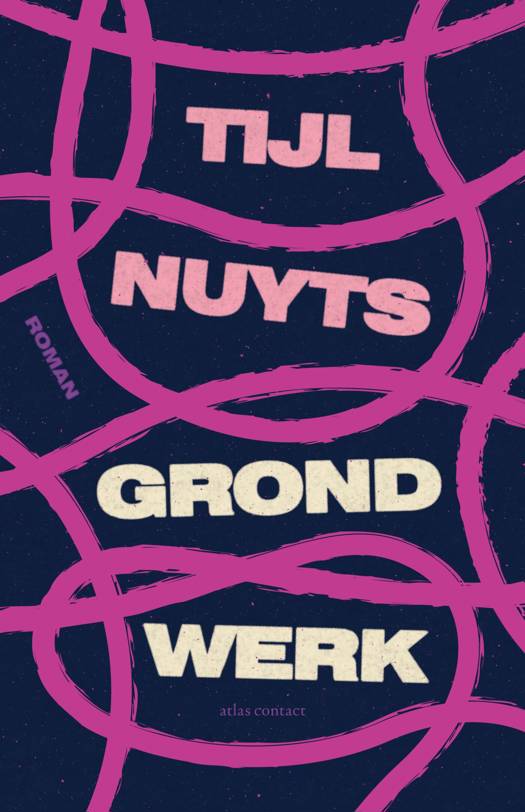


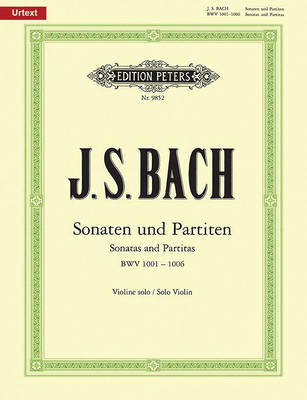
Sonatas and Partitas for Violin Solo Bwv 1001-1006
Edition by Max Rostal, Urtext
Johann Sebastian Bac
€ 22,45
+ 44 punten
Omschrijving
Bach's Sei Solo a Violino senza Basso accompagnato, the set of three Sonatas and three Partitas for unaccompanied violin, were completed by 1720. Perhaps seeded as early as 1703, they were ultimately fruits of his years employed as Kapellmeister at the court in Köthen where his employer Prince Leopold of Anhalt-Köthen, a Calvinist with little requirement for liturgical music and also a keen musician, encouraged Bach to write much instrumental music for public and private entertainment. Nothing written before approached the complexity, expressive range and scale of this music, from the volleys of chords and rhythmic intricacy of the B minor Partita's opening Allemanda>/i> and the endlessly inventive elaboration of the same work's variant 'doubles' to the vastness of the D minor Partita's concluding Ciaccona, possibly the longest stand-alone movement written to that point, which contains worlds of contrast in its 64 variants of the opening bars. Reportedly a fine violinist himself, Bach completely redefined virtuosic and expressive violinistic possibility in these works. This Urtext edition by Max Rostal from Edition Peters is a cornerstone of any violinist's library.
Specificaties
Betrokkenen
- Auteur(s):
- Uitgeverij:
Inhoud
- Aantal bladzijden:
- 148
- Taal:
- Engels
- Reeks:
Eigenschappen
- Productcode (EAN):
- 9790014078911
- Verschijningsdatum:
- 1/04/2022
- Uitvoering:
- Paperback
- Formaat:
- Trade paperback (VS)
- Afmetingen:
- 226 mm x 300 mm
- Gewicht:
- 544 g


Alleen bij Standaard Boekhandel
+ 44 punten op je klantenkaart van Standaard Boekhandel
AANGERADEN


Beoordelingen
We publiceren alleen reviews die voldoen aan de voorwaarden voor reviews. Bekijk onze voorwaarden voor reviews.