


- Afhalen na 1 uur in een winkel met voorraad
- Gratis thuislevering in België vanaf € 30
- Ruim aanbod met 7 miljoen producten
- Afhalen na 1 uur in een winkel met voorraad
- Gratis thuislevering in België vanaf € 30
- Ruim aanbod met 7 miljoen producten





€ 53,45
+ 106 punten
Omschrijving
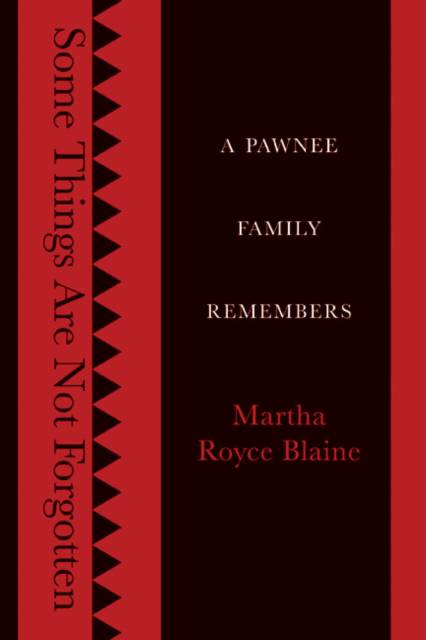
The Blaine family was among the Pawnees forcibly removed to Indian Territory in 1874-75. By the early twentieth century, disease and starvation had wiped out nearly three-quarters of the reservation's population. Government boarding schools refused to teach Pawnee customs and language, and many Pawnees found themselves without a community when their promised land was allotted to individuals and the rest sold as "surplus" to white settlers. Where did the Blaine family find the resilience to cope with the continual assault on their dignity and way of life? In Some Things Are Not Forgotten, Martha Royce Blaine reveals the strengths of character and culture that enabled them to persevere during the reservation years. Many memorable figures emerge: Wichita and Effie Blaine, anguished over the deaths of two young sons and driven to embrace the Ghost Dance; John Box, whose persistent attempts to farm the white man's way are shattered in one disastrous moment by a tornado; James G. Blaine, an aspiring ballplayer whose mysterious death in jail ends his bid to join the Chicago White Sox. We also meet the young, educated James Murie, striding a conflict-ridden path between the Pawnee and white worlds. Perhaps most unforgettable are the childhood memories of Garland Blaine, the late husband of the author, who became head chief of the Pawnees in 1964.
Specificaties
Betrokkenen
- Auteur(s):
- Uitgeverij:
Inhoud
- Aantal bladzijden:
- 286
- Taal:
- Engels
Eigenschappen
- Productcode (EAN):
- 9780803245273
- Verschijningsdatum:
- 9/05/2012
- Uitvoering:
- Paperback
- Formaat:
- Trade paperback (VS)
- Afmetingen:
- 152 mm x 229 mm
- Gewicht:
- 458 g


Alleen bij Standaard Boekhandel
+ 106 punten op je klantenkaart van Standaard Boekhandel
Cadeau

AANGERADEN


Beoordelingen
We publiceren alleen reviews die voldoen aan de voorwaarden voor reviews. Bekijk onze voorwaarden voor reviews.