


- Afhalen na 1 uur in een winkel met voorraad
- Gratis thuislevering in België vanaf € 30
- Ruim aanbod met 7 miljoen producten
- Afhalen na 1 uur in een winkel met voorraad
- Gratis thuislevering in België vanaf € 30
- Ruim aanbod met 7 miljoen producten



Omschrijving
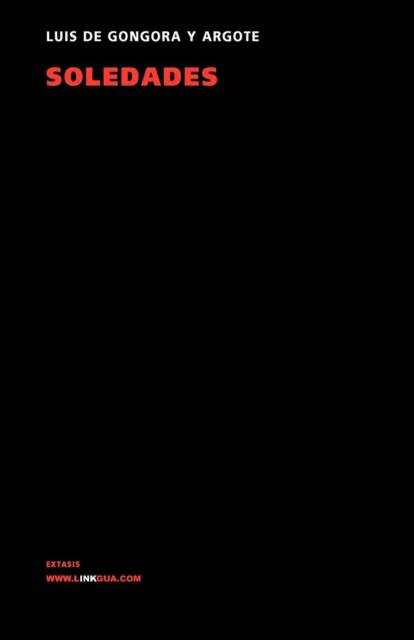
The style and features of Polyphemus are present, if not intensified in Soledades. This poem is written in silvas more appropriate than octaves for the syntactic and formal complexity of the new gongorina poetry form. It is structured in four cantos and associated with four scenographic units: that of the goatherds, nomads, and hunters' mountain, a peasant village, the fishermen inhabiting an island, and a feudal manor, with its castle and its nobles practicing falconry. The narrative alludes to a pilgrim who travels up to a village of shepherds that give shelter, and from there he visits the characters and communities described above. The background of the poem is based on multiple allusions, including one regarding the transition of the Renaissance world of truth to another represented by chaos or confusion. Another refers more directly to the loss of global influence experienced by Spain; another exemplifies the disappointment of Góngora with respect to the Court and Spanish political destiny, and another to the situation of the individual facing a world in crisis, dominated by vanity, a world to which one is exiled and to which one seeks his own individual radical change as a way to counter disaster.
Specificaties
Betrokkenen
- Auteur(s):
- Uitgeverij:
Inhoud
- Aantal bladzijden:
- 76
- Taal:
- Spaans
Eigenschappen
- Productcode (EAN):
- 9788498163438
- Verschijningsdatum:
- 1/05/2006
- Uitvoering:
- Paperback
- Formaat:
- Trade paperback (VS)
- Afmetingen:
- 210 mm x 150 mm
- Gewicht:
- 102 g


Alleen bij Standaard Boekhandel
+ 66 punten op je klantenkaart van Standaard Boekhandel

Beoordelingen
We publiceren alleen reviews die voldoen aan de voorwaarden voor reviews. Bekijk onze voorwaarden voor reviews.