


- Afhalen na 1 uur in een winkel met voorraad
- Gratis thuislevering in België vanaf € 30
- Ruim aanbod met 7 miljoen producten
- Afhalen na 1 uur in een winkel met voorraad
- Gratis thuislevering in België vanaf € 30
- Ruim aanbod met 7 miljoen producten





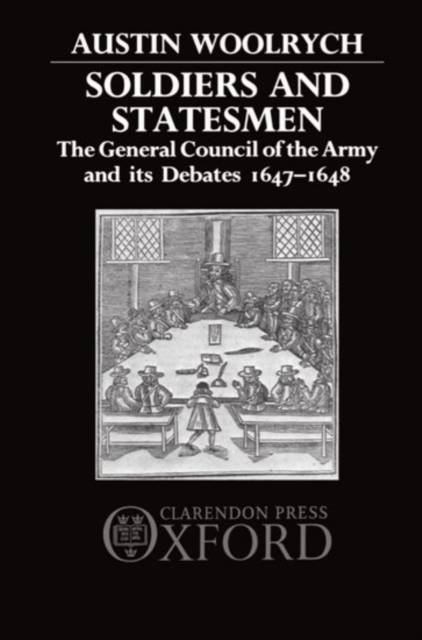
Soldiers and Statesmen
The General Council of the Army and Its Debates, 1647-1648
Austin Woolrych
Hardcover | Engels
€ 257,95
+ 515 punten
Omschrijving
Within a year of its victory over King Charles I in 1646, the New Model Army became a powerful force in English politics when it defied Parliament's orders to disband and set up its own democratic institution, the General Council of the Army. Its soldiers elected "agitators" as their spokesmen, who met with the generals to discuss not only the grievances of the army but also the settlement of the kingdom--contesting the very foundations of political authority. Shedding new light on the origins and proceedings of the agitators, Soldiers and Statesmen offers a reinterpretation of a critical turning point in the Great Rebellion, and suggests that the army which eventually brought the king to the scaffold would have restored him to his throne if he had given more weight to its offers.
Specificaties
Betrokkenen
- Auteur(s):
- Uitgeverij:
Inhoud
- Aantal bladzijden:
- 374
- Taal:
- Engels
Eigenschappen
- Productcode (EAN):
- 9780198227526
- Verschijningsdatum:
- 6/08/1987
- Uitvoering:
- Hardcover
- Formaat:
- Genaaid
- Afmetingen:
- 140 mm x 216 mm
- Gewicht:
- 625 g


Alleen bij Standaard Boekhandel
+ 515 punten op je klantenkaart van Standaard Boekhandel
Cadeau

AANGERADEN


Beoordelingen
We publiceren alleen reviews die voldoen aan de voorwaarden voor reviews. Bekijk onze voorwaarden voor reviews.