


- Afhalen na 1 uur in een winkel met voorraad
- Gratis thuislevering in België vanaf € 30
- Ruim aanbod met 7 miljoen producten
- Afhalen na 1 uur in een winkel met voorraad
- Gratis thuislevering in België vanaf € 30
- Ruim aanbod met 7 miljoen producten




Omschrijving
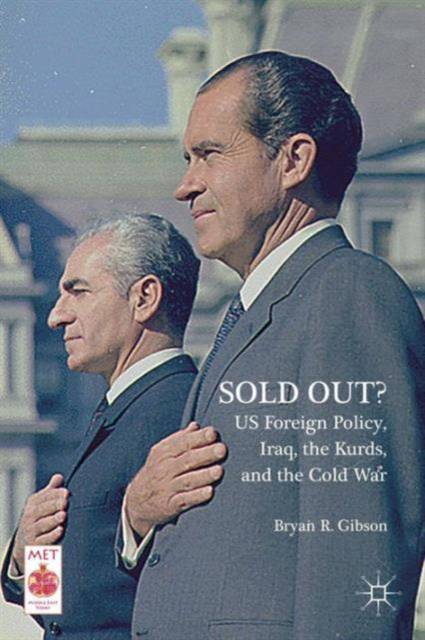
This book analyzes the ways in which US policy toward Iraq was dictated by America's broader Cold War strategy between 1958 and 1975. While most historians have focused on "hot" Cold War conflicts such as Cuba, Vietnam, and Afghanistan, few have recognized Iraq's significance as a Cold War battleground. This book argues that US decisions and actions were designed to deny the Soviet Union influence over Iraq and to create a strategic base in the oil-rich Gulf region. Using newly available primary sources and interviews, this book reveals new details on America's decision-making toward and actions against Iraq during the height of the Cold War and shows where Iraq fits into the broader historiography of the Cold War in the Middle East. Further, it raises important questions about widely held misconceptions of US-Iraqi relations, such as the CIA's alleged involvement in the 1963 Ba'thist coup and the theory that the US sold out the Kurds in 1975.
Specificaties
Betrokkenen
- Auteur(s):
- Uitgeverij:
Inhoud
- Aantal bladzijden:
- 257
- Taal:
- Engels
- Reeks:
Eigenschappen
- Productcode (EAN):
- 9781137487117
- Verschijningsdatum:
- 20/05/2015
- Uitvoering:
- Hardcover
- Formaat:
- Genaaid
- Afmetingen:
- 152 mm x 236 mm
- Gewicht:
- 476 g


Alleen bij Standaard Boekhandel
+ 427 punten op je klantenkaart van Standaard Boekhandel
Cadeau

AANGERADEN


Beoordelingen
We publiceren alleen reviews die voldoen aan de voorwaarden voor reviews. Bekijk onze voorwaarden voor reviews.