


- Afhalen na 1 uur in een winkel met voorraad
- Gratis thuislevering in België vanaf € 30
- Ruim aanbod met 7 miljoen producten
- Afhalen na 1 uur in een winkel met voorraad
- Gratis thuislevering in België vanaf € 30
- Ruim aanbod met 7 miljoen producten





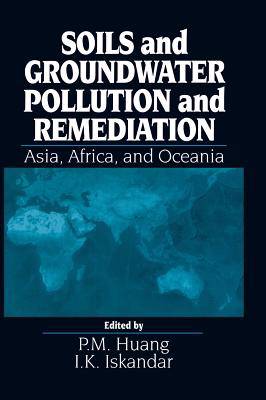
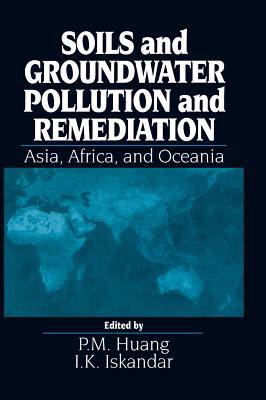
Soils and Groundwater Pollution and Remediation
Asia, Africa, and Oceania
P M Huang, I K Iskandar
Hardcover | Engels
€ 290,45
+ 580 punten
Omschrijving
The increasing population densities of Asia, Africa and Oceania are in conflict with the ecosystem. A growing demand for food and fiber causes agriculture to rely heavily upon chemical fertilization, herbicides and pesticides. Rising industrial output creates higher contamination from cadmium, lead, selenium, and other metals. Soils and Groundwater Remediation explores the toxic levels of metals, radionuclides, inorganics, and anthropogenic organic compounds found in the soils and groundwater of Asia, Africa and Oceania. This 14 chapter book reviews the distribution, transformation, and dynamics of the pollutants. The authors also reflect on the impact of Acid-rain. The contributors to this book are well-known scientists from Japan, China, Korea, Malaysia, New Zealand, Australia, and Kenya. The authors address their findings to researchers, educators, government regulators, and students. As the title suggests, the book is ultimately concerned with remediation. Huang and Iskandar feel "the potential for restoring ecosystem health ... in these areas is enormous." The contributions of Soils and Groundwater Remediation will bring science closer to achieving that possibility.
Specificaties
Betrokkenen
- Auteur(s):
- Uitgeverij:
Inhoud
- Aantal bladzijden:
- 400
- Taal:
- Engels
Eigenschappen
- Productcode (EAN):
- 9781566704526
- Verschijningsdatum:
- 29/07/1999
- Uitvoering:
- Hardcover
- Formaat:
- Genaaid
- Afmetingen:
- 178 mm x 254 mm
- Gewicht:
- 916 g


Alleen bij Standaard Boekhandel
+ 580 punten op je klantenkaart van Standaard Boekhandel
Cadeau

AANGERADEN


Beoordelingen
We publiceren alleen reviews die voldoen aan de voorwaarden voor reviews. Bekijk onze voorwaarden voor reviews.