


- Afhalen na 1 uur in een winkel met voorraad
- Gratis thuislevering in België vanaf € 30
- Ruim aanbod met 7 miljoen producten
- Afhalen na 1 uur in een winkel met voorraad
- Gratis thuislevering in België vanaf € 30
- Ruim aanbod met 7 miljoen producten





Omschrijving
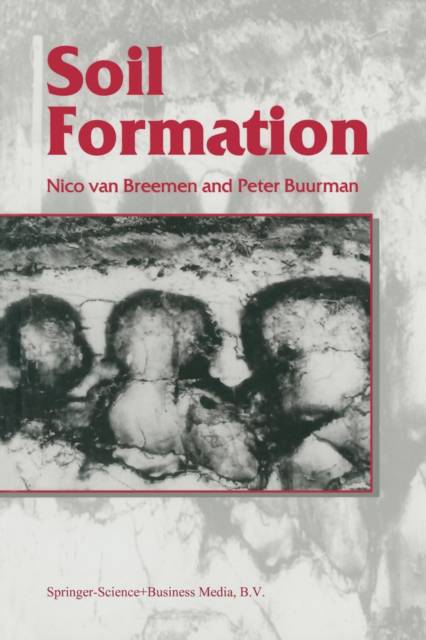
Soils form a unique and irreplaceable essential resource for all terrestrial organisms, including man. Soils form not only the very thin outer skin of the earth's crust that is exploited by plant roots for anchorage and supply of water and nutrients. Soils are complex natural bodies formed under the influence of plants, microorganisms and soil animals, water and air from their parent material, i.e. solid rock or unconsolidated sediments. Physically, chemically and mineralogically they usually differ strongly from the parent material, and normally are far more suitable as a rooting medium for plants. In addition to serving as a substrate for plant growth, including crops and pasture, soils play a dominant role in the biogeochemical cycling of water, carbon, nitrogen and other elements, influencing the chemical composition and turnover rates of substances in the atmosphere and the hydrosphere. Soils take decades to millennia to form. We tread on them and do not usually see their interior, so we tend to take them for granted. But improper and abusive agricultural management, careless land- clearing and reclamation, man-induced erosion, salinisation and acidification, desertification, air- and water pollution, and withdrawal of land for housing, industry and transportation now destroy soils more rapidly than they can be formed.
Specificaties
Betrokkenen
- Auteur(s):
- Uitgeverij:
Inhoud
- Aantal bladzijden:
- 377
- Taal:
- Engels
Eigenschappen
- Productcode (EAN):
- 9789401741408
- Verschijningsdatum:
- 3/10/2013
- Uitvoering:
- Paperback
- Formaat:
- Trade paperback (VS)
- Afmetingen:
- 156 mm x 234 mm
- Gewicht:
- 539 g


Alleen bij Standaard Boekhandel
+ 237 punten op je klantenkaart van Standaard Boekhandel
CADEAU


Beoordelingen
We publiceren alleen reviews die voldoen aan de voorwaarden voor reviews. Bekijk onze voorwaarden voor reviews.