


- Afhalen na 1 uur in een winkel met voorraad
- Gratis thuislevering in België vanaf € 30
- Ruim aanbod met 7 miljoen producten
- Afhalen na 1 uur in een winkel met voorraad
- Gratis thuislevering in België vanaf € 30
- Ruim aanbod met 7 miljoen producten





€ 107,95
+ 215 punten
Omschrijving
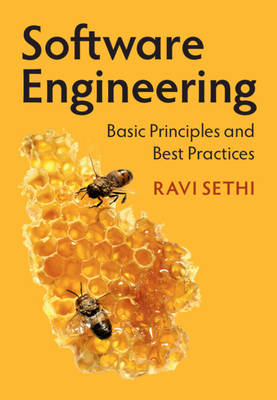
Software engineering is as much about teamwork as it is about technology. This introductory textbook covers both. For courses featuring a team project, it offers tips and templates for aligning classroom concepts with the needs of the students' projects. Students will learn how software is developed in industry by adopting agile methods, discovering requirements, designing modular systems, selecting effective tests, and using metrics to track progress. The book also covers the 'why' behind the 'how-to', to prepare students for advances in industry practices. The chapters explore ways of eliciting what users really want, how clean architecture divides and conquers the inherent complexity of software systems, how test coverage is essential for detecting the inevitable defects in code, and much more. Ravi Sethi provides real-life case studies and examples to demonstrate practical applications of the concepts. Online resources include sample project materials for students, and lecture slides for instructors.
Specificaties
Betrokkenen
- Auteur(s):
- Uitgeverij:
Inhoud
- Aantal bladzijden:
- 360
- Taal:
- Engels
Eigenschappen
- Productcode (EAN):
- 9781316511947
- Verschijningsdatum:
- 9/03/2023
- Uitvoering:
- Hardcover
- Formaat:
- Genaaid
- Afmetingen:
- 162 mm x 240 mm
- Gewicht:
- 816 g


Alleen bij Standaard Boekhandel
+ 215 punten op je klantenkaart van Standaard Boekhandel
Cadeau

AANGERADEN


Beoordelingen
We publiceren alleen reviews die voldoen aan de voorwaarden voor reviews. Bekijk onze voorwaarden voor reviews.