



- Afhalen na 1 uur in een winkel met voorraad
- In januari gratis thuislevering in België
- Ruim aanbod met 7 miljoen producten
- Afhalen na 1 uur in een winkel met voorraad
- In januari gratis thuislevering in België
- Ruim aanbod met 7 miljoen producten





€ 18,95
+ 37 punten
Omschrijving
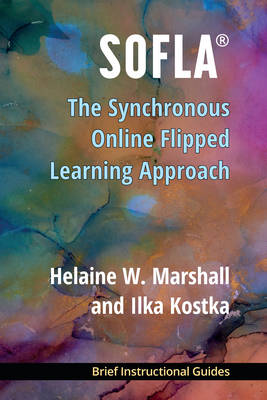
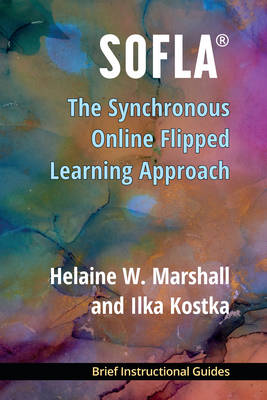
SOFLA(R) provides instructors with a template for learner-centered online instruction that allows for creativity and freedom within each structured step of a learning cycle. Drawing from principles of flipped learning pedagogy and best practices in online learning, this approach offers a robust framework for technology-based instruction that includes both synchronous and asynchronous components. This book begins by defining flipped learning and then rethinking it in terms of the online instructional context, with the goal of identifying the factors that contribute to a perfect blend of the two. Then, the book describes the eight steps of SOFLA(R) with details and caveats to aid implementation. Next, the authors provide sample lessons to illustrate SOFLA(R) in action and describe modifications and enhancements to show how this model can be adjusted to include various student populations, learning contexts, and methodologies. Finally, the conclusion discusses what this flexible and transparent approach offers educators and their students. As online learning becomes increasingly universal, SOFLA(R) will offer teachers a valuable instructional option for fostering interactive and student-centered learning.
Specificaties
Betrokkenen
- Auteur(s):
- Uitgeverij:
Inhoud
- Aantal bladzijden:
- 128
- Taal:
- Engels
- Reeks:
Eigenschappen
- Productcode (EAN):
- 9780472040254
- Verschijningsdatum:
- 26/05/2026
- Uitvoering:
- Paperback
- Formaat:
- Trade paperback (VS)
- Afmetingen:
- 152 mm x 229 mm
- Gewicht:
- 172 g


Alleen bij Standaard Boekhandel
+ 37 punten op je klantenkaart van Standaard Boekhandel
Cadeau

AANGERADEN


Beoordelingen
We publiceren alleen reviews die voldoen aan de voorwaarden voor reviews. Bekijk onze voorwaarden voor reviews.