


- Afhalen na 1 uur in een winkel met voorraad
- Gratis thuislevering in België vanaf € 30
- Ruim aanbod met 7 miljoen producten
- Afhalen na 1 uur in een winkel met voorraad
- Gratis thuislevering in België vanaf € 30
- Ruim aanbod met 7 miljoen producten





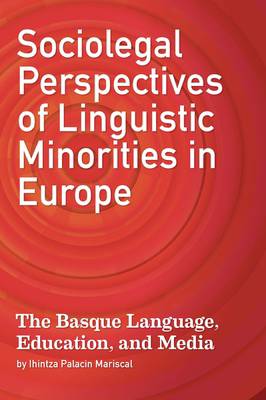
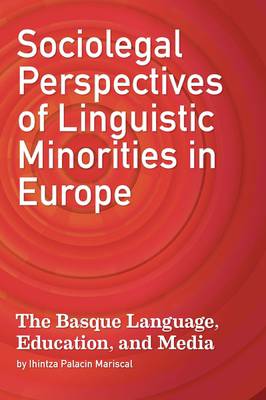
Sociolegal Perspectives of Linguistic Minorities in Europe
Ihintza Palacin Mariscal
€ 53,45
+ 106 punten
Omschrijving
This book addresses the legal framework and social embedding of
the Basque language. As a minority language located between two European
states (France and Spain) with different approach towards minority
languages, the task of understanding the legal framework of the Basque
language and its relationship with the community of speakers is
challenging. In fact, this legal framework results in a vast array of
legal rules for Basque speakers. This book examines the fundamental and
linguistic rights of these minority language speakers (norm users), from
international and European legal frameworks to national or regional
ones. It carries out a comparative analysis between France and Spain,
and between the three Basque regions to examine the legal framework.
This doctrinal analysis is complemented by the study of key actors
participating in the context and implementation of the legal norms
regulating the Basque language. An emphasis is placed on the analysis of
the relationship between the legal framework of the Basque language and
the Basque society, applying a sociolegal methodology.
the Basque language. As a minority language located between two European
states (France and Spain) with different approach towards minority
languages, the task of understanding the legal framework of the Basque
language and its relationship with the community of speakers is
challenging. In fact, this legal framework results in a vast array of
legal rules for Basque speakers. This book examines the fundamental and
linguistic rights of these minority language speakers (norm users), from
international and European legal frameworks to national or regional
ones. It carries out a comparative analysis between France and Spain,
and between the three Basque regions to examine the legal framework.
This doctrinal analysis is complemented by the study of key actors
participating in the context and implementation of the legal norms
regulating the Basque language. An emphasis is placed on the analysis of
the relationship between the legal framework of the Basque language and
the Basque society, applying a sociolegal methodology.
Specificaties
Betrokkenen
- Auteur(s):
- Uitgeverij:
Inhoud
- Aantal bladzijden:
- 328
- Taal:
- Engels
- Reeks:
- Reeksnummer:
- nr. 27
Eigenschappen
- Productcode (EAN):
- 9781949805840
- Verschijningsdatum:
- 1/09/2025
- Uitvoering:
- Paperback
- Formaat:
- Trade paperback (VS)
- Afmetingen:
- 152 mm x 229 mm
- Gewicht:
- 439 g


Alleen bij Standaard Boekhandel
+ 106 punten op je klantenkaart van Standaard Boekhandel
CADEAU

AANGERADEN


Beoordelingen
We publiceren alleen reviews die voldoen aan de voorwaarden voor reviews. Bekijk onze voorwaarden voor reviews.