



- Afhalen na 1 uur in een winkel met voorraad
- In januari gratis thuislevering in België
- Ruim aanbod met 7 miljoen producten
- Afhalen na 1 uur in een winkel met voorraad
- In januari gratis thuislevering in België
- Ruim aanbod met 7 miljoen producten





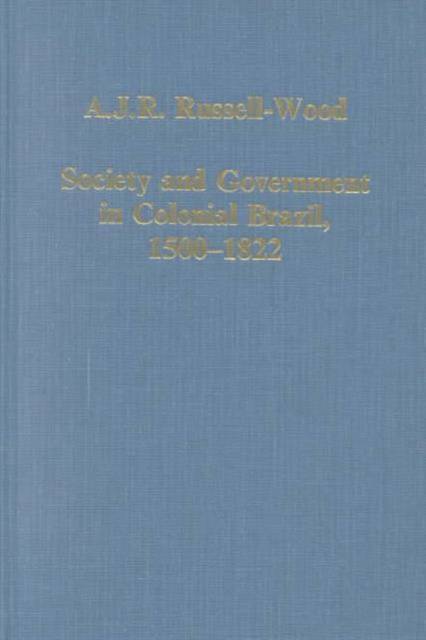
Society and Government in Colonial Brazil, 1500-1822
A J R Russell-Wood
€ 193,95
+ 387 punten
Omschrijving
Professor Russell-Wood's detailed studies of Brazilian social history in the colonial era have long been recognised as model contributions to the history of class, race, gender and religion. This collection combines work on particular persons and groupings with survey articles on the role of the port and the frontier in colonial Brazil and on its historiography. The author describes the administration and structure of government, and the realities of royal power, with examples drawn from the port cities and the mining townships of the interior, then moves on to examine the interplay of class, religion and race with reference to brotherhoods of persons of African descent and the racially exclusive Third Orders. One group who overcame legal, physical and social constraints were women who, whether of European or African descent, contributed decisively to the economy and society of Brazil. To conclude, there are accounts of three individuals, each of whose experiences illustrate facets of the judicial system, governance and education in Portugal's richest colony.
Specificaties
Betrokkenen
- Auteur(s):
- Uitgeverij:
Inhoud
- Aantal bladzijden:
- 352
- Taal:
- Engels
- Reeks:
Eigenschappen
- Productcode (EAN):
- 9780860783336
- Verschijningsdatum:
- 24/09/1992
- Uitvoering:
- Hardcover
- Formaat:
- Genaaid
- Afmetingen:
- 152 mm x 229 mm
- Gewicht:
- 639 g


Alleen bij Standaard Boekhandel
+ 387 punten op je klantenkaart van Standaard Boekhandel
Cadeau

AANGERADEN


Beoordelingen
We publiceren alleen reviews die voldoen aan de voorwaarden voor reviews. Bekijk onze voorwaarden voor reviews.