



- Afhalen na 1 uur in een winkel met voorraad
- In januari gratis thuislevering in België
- Ruim aanbod met 7 miljoen producten
- Afhalen na 1 uur in een winkel met voorraad
- In januari gratis thuislevering in België
- Ruim aanbod met 7 miljoen producten





€ 162,95
+ 325 punten
Uitvoering
Omschrijving
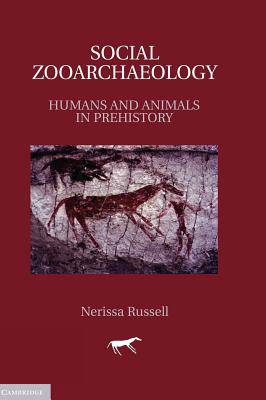
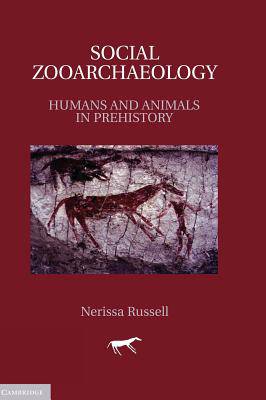
This is the first book to provide a systematic overview of social zooarchaeology, which takes a holistic view of human-animal relations in the past. Until recently, archaeological analysis of faunal evidence has primarily focused on the role of animals in the human diet and subsistence economy. This book, however, argues that animals have always played many more roles in human societies: as wealth, companions, spirit helpers, sacrificial victims, totems, centerpieces of feasts, objects of taboos, and more. These social factors are as significant as taphonomic processes in shaping animal bone assemblages. Nerissa Russell uses evidence derived from not only zooarchaeology, but also ethnography, history, and classical studies to suggest the range of human-animal relationships and to examine their importance in human society. Through exploring the significance of animals to ancient humans, this book provides a richer picture of past societies.
Specificaties
Betrokkenen
- Auteur(s):
- Uitgeverij:
Inhoud
- Aantal bladzijden:
- 562
- Taal:
- Engels
Eigenschappen
- Productcode (EAN):
- 9780521767378
- Verschijningsdatum:
- 21/11/2011
- Uitvoering:
- Hardcover
- Formaat:
- Genaaid
- Afmetingen:
- 175 mm x 249 mm
- Gewicht:
- 1224 g


Alleen bij Standaard Boekhandel
+ 325 punten op je klantenkaart van Standaard Boekhandel
Cadeau

AANGERADEN


Beoordelingen
We publiceren alleen reviews die voldoen aan de voorwaarden voor reviews. Bekijk onze voorwaarden voor reviews.