



Bedankt voor het vertrouwen het afgelopen jaar! Om jou te bedanken bieden we GRATIS verzending (in België) aan op alles gedurende de hele maand januari.
- Afhalen na 1 uur in een winkel met voorraad
- In januari gratis thuislevering in België
- Ruim aanbod met 7 miljoen producten
Bedankt voor het vertrouwen het afgelopen jaar! Om jou te bedanken bieden we GRATIS verzending (in België) aan op alles gedurende de hele maand januari.
- Afhalen na 1 uur in een winkel met voorraad
- In januari gratis thuislevering in België
- Ruim aanbod met 7 miljoen producten





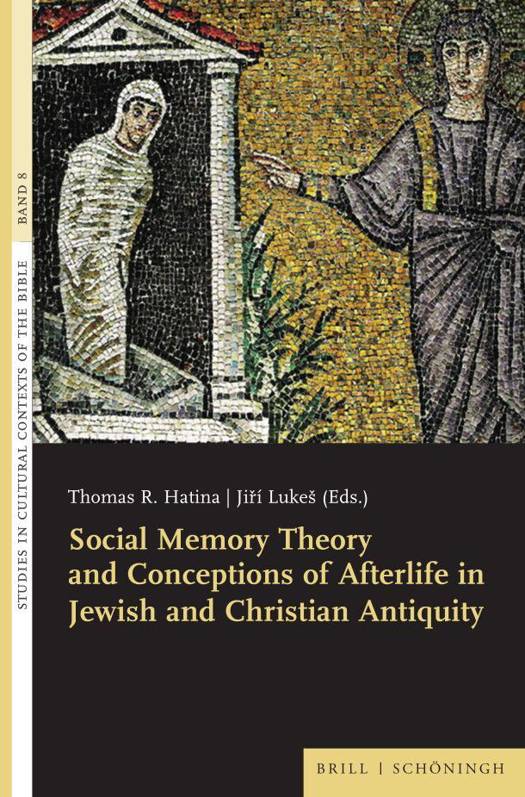
Social Memory Theory and Conceptions of Afterlife in Jewish and Christian Antiquity
€ 220,45
+ 440 punten
Omschrijving
Why are conceptions of afterlife so diverse in both Jewish and Christian antiquity? This collection of essays offers explanations for this diversity through the lens of social memory theory. The contributors attempt to understand how and why received traditions about the afterlife needed to be altered, invented and even forgotten if they were to have relevance in the present. Select ancient texts conveying the hopes and fears of the afterlife are viewed as products of transmission processes that appropriated the past in conformity with identity constructs of each community. The range of literature in this collection spans from the earliest receptions of Israelite traditions within early Judaism to the Patristic/Rabbinic period.
Specificaties
Betrokkenen
- Uitgeverij:
Inhoud
- Aantal bladzijden:
- 405
- Taal:
- Engels
- Reeks:
- Reeksnummer:
- nr. 8
Eigenschappen
- Productcode (EAN):
- 9783506796219
- Verschijningsdatum:
- 1/12/2022
- Uitvoering:
- Hardcover
- Formaat:
- Genaaid
- Afmetingen:
- 164 mm x 35 mm
- Gewicht:
- 8609 g

Alleen bij Standaard Boekhandel
+ 440 punten op je klantenkaart van Standaard Boekhandel
SOLDEN


Beoordelingen
We publiceren alleen reviews die voldoen aan de voorwaarden voor reviews. Bekijk onze voorwaarden voor reviews.