


- Afhalen na 1 uur in een winkel met voorraad
- Gratis thuislevering in België vanaf € 30
- Ruim aanbod met 7 miljoen producten
- Afhalen na 1 uur in een winkel met voorraad
- Gratis thuislevering in België vanaf € 30
- Ruim aanbod met 7 miljoen producten





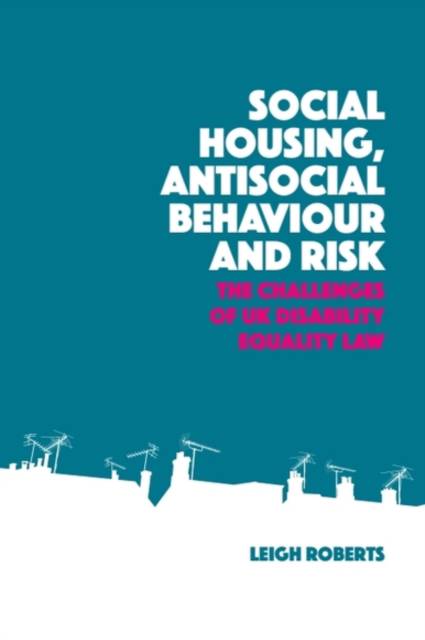
Social Housing, Antisocial Behaviour and Risk
The Challenges of UK Disability Equality Law
Leigh Roberts
Hardcover | Engels
€ 193,45
+ 386 punten
Uitvoering
Omschrijving
The recommendations for policy are reform of equalities legislation, better support for individual perpetrators and measures to improve relations between social landlords and medico-welfare agencies involved in ASB control. This book presents an analysis of relevant developments in antisocial behaviour (ASB), social housing and disability equality law and policy. Using an empirical study of social landlord organisations, which includes detailed analysis of case files, a review of their policies, as well as focus groups and interviews with managers and officers, it shows how housing professionals operate in this framework. This analysis provides an in-depth account of how housing professionals make medical, moral and risk-based judgements and assessments of perpetrators they know or suspect to have mental health or learning difficulties. It explains how these factors inform the process of managing complaints about ASB arguing that they lead to different outcomes for occupants of social housing. The importance of the book relates to housing officers' constructions of disability and their potentially discriminatory consequences: officers' minimal compliance with equality law or extraordinary treatment may correspondingly result in social exclusion or inclusion.
Specificaties
Betrokkenen
- Auteur(s):
- Uitgeverij:
Inhoud
- Aantal bladzijden:
- 248
- Taal:
- Engels
Eigenschappen
- Productcode (EAN):
- 9781399540360
- Verschijningsdatum:
- 30/06/2025
- Uitvoering:
- Hardcover
- Formaat:
- Genaaid
- Afmetingen:
- 156 mm x 234 mm
- Gewicht:
- 526 g



Alleen bij Standaard Boekhandel
+ 386 punten op je klantenkaart van Standaard Boekhandel
Cadeau

AANGERADEN


Beoordelingen
We publiceren alleen reviews die voldoen aan de voorwaarden voor reviews. Bekijk onze voorwaarden voor reviews.