


- Afhalen na 1 uur in een winkel met voorraad
- Gratis thuislevering in België vanaf € 30
- Ruim aanbod met 7 miljoen producten
- Afhalen na 1 uur in een winkel met voorraad
- Gratis thuislevering in België vanaf € 30
- Ruim aanbod met 7 miljoen producten





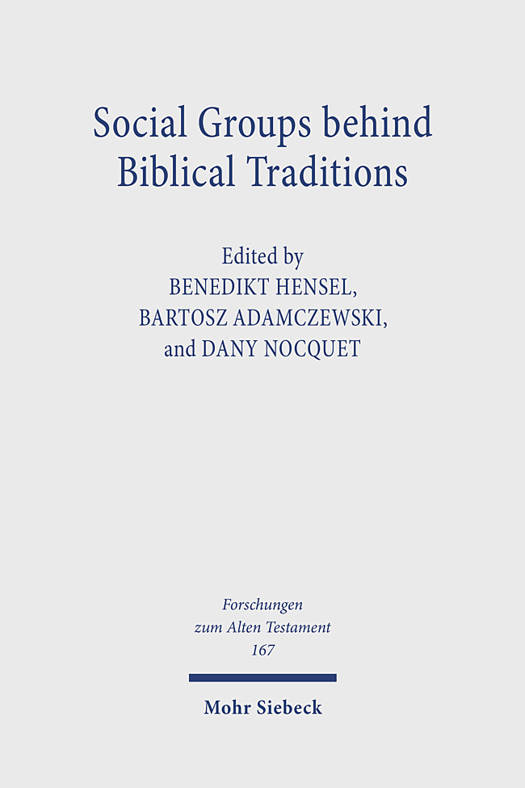
Social Groups Behind Biblical Traditions
Identity Perspectives from Egypt, Transjordan, Mesopotamia, and Israel in the Second Temple Period
€ 135,95
+ 271 punten
Omschrijving
Is the Hebrew Bible purely a product of Jerusalem or were there various social groups who each played a role in its development during the Second Temple period? This is the guiding question of the present volume, which fills a crucial gap in recent research by combining current literary-historical, redactional and text-historical analysis of the Hebrew Bible with the latest results pertaining to the pluriform social and religious shape of early Judaism. For the first time, the thirteen articles in this volume address the phenomenon of religious plurality by bringing together archaeological, (religious-) historical, and literary-critical approaches. The articles by internationally renowned scholars cover the panorama of currently known social groups of Yahwistic character and the impact of this phenomenon on the making of the Hebrew Bible - from the Persian period to the time of Qumran.
Specificaties
Betrokkenen
- Uitgeverij:
Inhoud
- Aantal bladzijden:
- 275
- Taal:
- Engels
- Reeks:
Eigenschappen
- Productcode (EAN):
- 9783161618871
- Verschijningsdatum:
- 01/05/2023
- Uitvoering:
- Hardcover
- Formaat:
- Genaaid
- Afmetingen:
- 239 mm x 163 mm
- Gewicht:
- 553 g

Alleen bij Standaard Boekhandel
+ 271 punten op je klantenkaart van Standaard Boekhandel
CADEAU

AANGERADEN


Beoordelingen
We publiceren alleen reviews die voldoen aan de voorwaarden voor reviews. Bekijk onze voorwaarden voor reviews.