Standaard Boekhandel gebruikt cookies en gelijkaardige technologieën om de website goed te laten werken en je een betere surfervaring te bezorgen.
Hieronder kan je kiezen welke cookies je wilt inschakelen:
Technische en functionele cookies
Deze cookies zijn essentieel om de website goed te laten functioneren, en laten je toe om bijvoorbeeld in te loggen. Je kan deze cookies niet uitschakelen.
Analytische cookies
Deze cookies verzamelen anonieme informatie over het gebruik van onze website. Op die manier kunnen we de website beter afstemmen op de behoeften van de gebruikers.
Marketingcookies
Deze cookies delen je gedrag op onze website met externe partijen, zodat je op externe platformen relevantere advertenties van Standaard Boekhandel te zien krijgt.
Bedankt voor het vertrouwen het afgelopen jaar! Om jou te bedanken bieden we GRATIS verzending (in België) aan op alles gedurende de hele maand januari.
Afhalen na 1 uur in een winkel met voorraad
In januari gratis thuislevering in België
Ruim aanbod met 7 miljoen producten
Bedankt voor het vertrouwen het afgelopen jaar! Om jou te bedanken bieden we GRATIS verzending (in België) aan op alles gedurende de hele maand januari.
Je kan maximaal 250 producten tegelijk aan je winkelmandje toevoegen. Verwijdere enkele producten uit je winkelmandje, of splits je bestelling op in meerdere bestellingen.
In januari gratis thuislevering in België (via bpost)
Gratis levering in je Standaard Boekhandel
Omschrijving
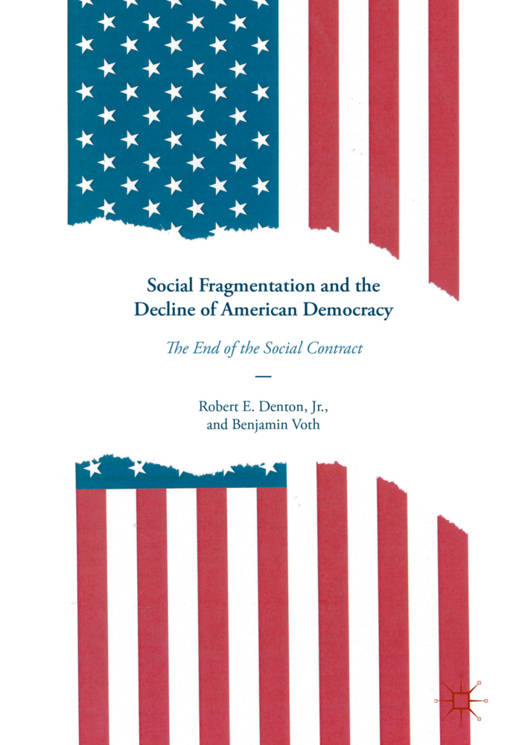
This book explores the social and political implications of what the authors identify as the decline of the social contract in America and the rise of a citizenry that has become self-centered, entitled, and independent. For nearly two decades, America has been in a "cultural war" over moral values and social issues, becoming a divided nation geographically, politically, socially, and morally. We are witnessing the decline of American Democracy, the authors argue, resulting from the erosion of the idea of the social contract. Especially since the "baby boomers," each successive generation has emphasized personal license to the exclusion of service, social integration, and the common good. With the social contact, the larger general will becomes the means of establishing reciprocal rights and duties, privileges, and responsibilities as a basis of the state. The balkanization of America has changed the role of government from one of oversight to one of dependency, where individual freedom and responsibility are sacrificed for group equality. This book examines the conditions of this social fragmentation, and offers ideas of an American Renaissance predicated on communicative idealism.