


- Afhalen na 1 uur in een winkel met voorraad
- Gratis thuislevering in België vanaf € 30
- Ruim aanbod met 7 miljoen producten
- Afhalen na 1 uur in een winkel met voorraad
- Gratis thuislevering in België vanaf € 30
- Ruim aanbod met 7 miljoen producten





€ 184,45
+ 368 punten
Omschrijving
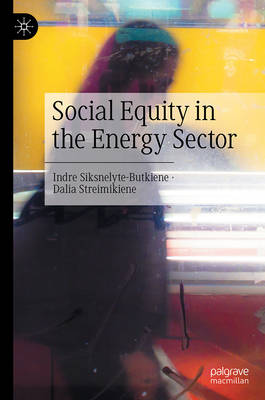
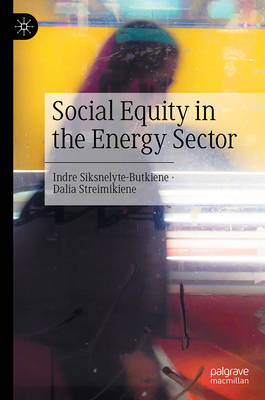
This book explores how the global shift to clean energy affects people differently, and what can be done to make this transition fair for everyone. It explains the idea of energy justice and shows why questions of fairness and equity are as important as technology and economics in shaping future energy systems. The volume explores who benefits and who risks being left behind in the energy transition -- from households facing energy poverty to women and older generations whose needs are often overlooked. It introduces practical ways to measure these inequities, highlights examples from different countries, and shows how policies can be designed to protect vulnerable groups. By linking social issues with energy policies, the book demonstrates how fairness can be built into decisions about energy access, costs, security, and innovation. It also offers insights into how governments and institutions can create more inclusive strategies for a low-carbon future. Written for both experts and readers interested in the human side of the energy transition, this book provides a guide to making energy systems not only cleaner but also fairer and more socially sustainable.
Specificaties
Betrokkenen
- Auteur(s):
- Uitgeverij:
Inhoud
- Aantal bladzijden:
- 286
- Taal:
- Engels
Eigenschappen
- Productcode (EAN):
- 9783032222237
- Verschijningsdatum:
- 3/06/2026
- Uitvoering:
- Hardcover
- Formaat:
- Genaaid
- Afmetingen:
- 155 mm x 235 mm


Alleen bij Standaard Boekhandel
+ 368 punten op je klantenkaart van Standaard Boekhandel
Cadeau

AANGERADEN


Beoordelingen
We publiceren alleen reviews die voldoen aan de voorwaarden voor reviews. Bekijk onze voorwaarden voor reviews.