


- Afhalen na 1 uur in een winkel met voorraad
- Gratis thuislevering in België vanaf € 30
- Ruim aanbod met 7 miljoen producten
- Afhalen na 1 uur in een winkel met voorraad
- Gratis thuislevering in België vanaf € 30
- Ruim aanbod met 7 miljoen producten





€ 169,95
+ 339 punten
Omschrijving
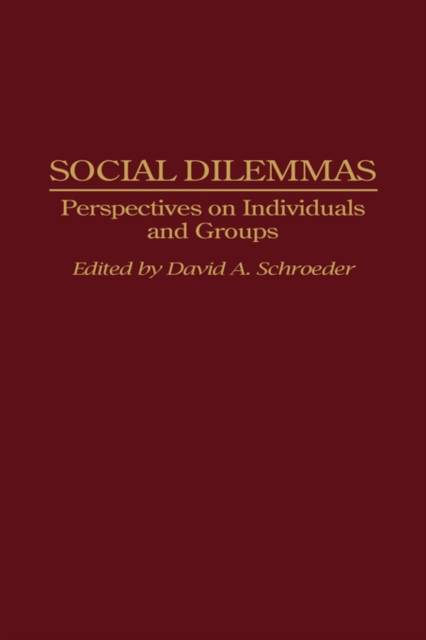
Efficient resource management and provision of public goods represent social dilemmas for those involved. They must choose between a course of action that would be in their personal best interest (e.g., overharvesting fishing banks to take a bigger profit; withholding one's contributions to National Public Radio) and some alternative course that would be more advantageous for the community as a whole (e.g., limiting one's present catch to ensure future fishing stocks; contributing to NPR, even though contributors and noncontributors alike would be able to enjoy its programming). The decisions made by those facing social dilemmas are affected by many factors, and the contributors to this book have explored the diverse processes that ultimately lead an individual to choose between self-interest and the well-being of the community. By gaining a better appreciation of the variables that affect decisions made by those caught in social dilemmas, more effective ways to encourage greater cooperation and to promote the common good may be found.
Specificaties
Betrokkenen
- Auteur(s):
- Uitgeverij:
Inhoud
- Aantal bladzijden:
- 240
- Taal:
- Engels
Eigenschappen
- Productcode (EAN):
- 9780275923921
- Verschijningsdatum:
- 24/01/1995
- Uitvoering:
- Hardcover
- Formaat:
- Genaaid
- Afmetingen:
- 152 mm x 229 mm
- Gewicht:
- 521 g


Alleen bij Standaard Boekhandel
+ 339 punten op je klantenkaart van Standaard Boekhandel
AANGERADEN


Beoordelingen
We publiceren alleen reviews die voldoen aan de voorwaarden voor reviews. Bekijk onze voorwaarden voor reviews.