Standaard Boekhandel gebruikt cookies en gelijkaardige technologieën om de website goed te laten werken en je een betere surfervaring te bezorgen.
Hieronder kan je kiezen welke cookies je wilt inschakelen:
Technische en functionele cookies
Deze cookies zijn essentieel om de website goed te laten functioneren, en laten je toe om bijvoorbeeld in te loggen. Je kan deze cookies niet uitschakelen.
Analytische cookies
Deze cookies verzamelen anonieme informatie over het gebruik van onze website. Op die manier kunnen we de website beter afstemmen op de behoeften van de gebruikers.
Marketingcookies
Deze cookies delen je gedrag op onze website met externe partijen, zodat je op externe platformen relevantere advertenties van Standaard Boekhandel te zien krijgt.
Je cadeautjes zeker op tijd in huis hebben voor de feestdagen? Kom langs in onze winkels en vind het perfecte geschenk!
Afhalen na 1 uur in een winkel met voorraad
Gratis thuislevering in België vanaf € 30
Ruim aanbod met 7 miljoen producten
Je cadeautjes zeker op tijd in huis hebben voor de feestdagen? Kom langs in onze winkels en vind het perfecte geschenk!
Je kan maximaal 250 producten tegelijk aan je winkelmandje toevoegen. Verwijdere enkele producten uit je winkelmandje, of splits je bestelling op in meerdere bestellingen.
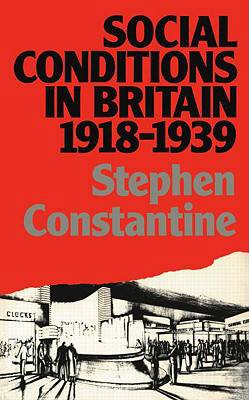
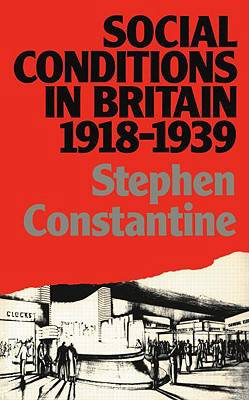
One popular image of the interwar years portrays the period as a time of depression, deprivation and decay. However, much recent work has tended to take, on balance, a more optimistic view of social conditions. In this pamphlet Dr Constantine examines the basis for such conclusions by reviewing the changing employment porspects for manual and non-manual workers, levels of family expenditure on food, consumer goods and leisure activities, the extent and causes of poverty, the quality of interwar housing and the records of the nation's health. The effects on living standards of demographic change, economic growth, wage levels and government policies are considered. The period is seen as a time of transition, witnessing significant shifts away from older patterns of employment and social conditions towards those characteristic of an affulent mass consumer society. However, there were casualties from this process of accelerated change, and class and regional inequalities remained.