


- Afhalen na 1 uur in een winkel met voorraad
- Gratis thuislevering in België vanaf € 30
- Ruim aanbod met 7 miljoen producten
- Afhalen na 1 uur in een winkel met voorraad
- Gratis thuislevering in België vanaf € 30
- Ruim aanbod met 7 miljoen producten





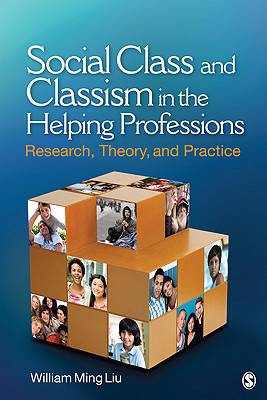
Social Class and Classism in the Helping Professions
Research, Theory, and Practice
William Ming Liu
Paperback | Engels
€ 192,45
+ 384 punten
Uitvoering
Omschrijving
Provide your students with engaging material on social class and classism
The impact of social class and classism on mental health functioning crosses racial, ethnic, and social lines and significantly contributes to our overall well-being. Any attempt to understand individuals must include an understanding of how economic issues and class have contributed to their difficulties. In Social Class and Classism in the Helping Professions, author William Ming Liu presents theory and research on the impact of classism and social class on mental health. He provides an original framework--the Social Class Worldview Model--for exploring each person′s individual and subjective life experiences. These experiences form a perspective that is unique to the individual. The author then helps the reader integrate this realization into the study of poverty, economic inequality, wealth, and the often overlooked implications of greed, materialism, and consumerism for a more complete understanding of social class and classism.
Intended Audience
This text is intended as a supplement for graduate and advanced undergraduate courses that address psychological and counseling theories, multicultural counseling, and research in the helping professions. These courses may be found in departments of counseling, rehabilitation, psychology, education, nursing, and social work.
The impact of social class and classism on mental health functioning crosses racial, ethnic, and social lines and significantly contributes to our overall well-being. Any attempt to understand individuals must include an understanding of how economic issues and class have contributed to their difficulties. In Social Class and Classism in the Helping Professions, author William Ming Liu presents theory and research on the impact of classism and social class on mental health. He provides an original framework--the Social Class Worldview Model--for exploring each person′s individual and subjective life experiences. These experiences form a perspective that is unique to the individual. The author then helps the reader integrate this realization into the study of poverty, economic inequality, wealth, and the often overlooked implications of greed, materialism, and consumerism for a more complete understanding of social class and classism.
Intended Audience
This text is intended as a supplement for graduate and advanced undergraduate courses that address psychological and counseling theories, multicultural counseling, and research in the helping professions. These courses may be found in departments of counseling, rehabilitation, psychology, education, nursing, and social work.
Specificaties
Betrokkenen
- Auteur(s):
- Uitgeverij:
Inhoud
- Aantal bladzijden:
- 320
- Taal:
- Engels
Eigenschappen
- Productcode (EAN):
- 9781412972512
- Verschijningsdatum:
- 31/08/2010
- Uitvoering:
- Paperback
- Formaat:
- Trade paperback (VS)
- Afmetingen:
- 150 mm x 226 mm
- Gewicht:
- 358 g


Alleen bij Standaard Boekhandel
+ 384 punten op je klantenkaart van Standaard Boekhandel
Cadeau

AANGERADEN


Beoordelingen
We publiceren alleen reviews die voldoen aan de voorwaarden voor reviews. Bekijk onze voorwaarden voor reviews.