


- Afhalen na 1 uur in een winkel met voorraad
- Gratis thuislevering in België vanaf € 30
- Ruim aanbod met 7 miljoen producten
- Afhalen na 1 uur in een winkel met voorraad
- Gratis thuislevering in België vanaf € 30
- Ruim aanbod met 7 miljoen producten





€ 212,95
+ 425 punten
Uitvoering
Omschrijving
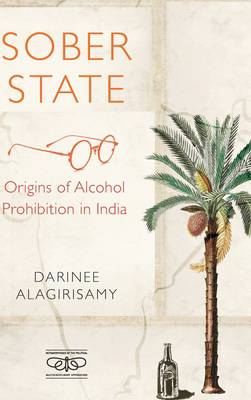
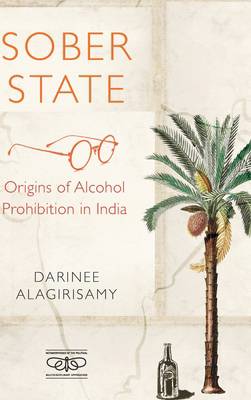
'What happens when a democratic state--still in the process of formation--commits to banning a substance, especially one as controversial as alcohol? This book traces the origins and evolution of alcohol prohibition in India, drawing on extensive archival research and rich vernacular sources to explain its surprising resilience over time. Since its inception, prohibition has served both as an ideal and a tool of state power--a dual role that has worked to shape its shifting trajectories. Each phase of enforcement has served to reaffirm prohibition's founding logic, thereby further embedding it in the machinery of governance--even as it has constrained its future implementation. Foregrounding intersections with caste and gender, the book illuminates how diverse social responses have made prohibition a deeply contested--sobering--yet enduring project. While prohibition may be a thing of the past in the West, history helps to keep it alive in India.'
Specificaties
Betrokkenen
- Auteur(s):
- Uitgeverij:
Inhoud
- Aantal bladzijden:
- 220
- Taal:
- Engels
- Reeks:
Eigenschappen
- Productcode (EAN):
- 9781009683166
- Verschijningsdatum:
- 14/05/2026
- Uitvoering:
- Hardcover
- Formaat:
- Genaaid
- Afmetingen:
- 152 mm x 229 mm
- Gewicht:
- 576 g


Alleen bij Standaard Boekhandel
+ 425 punten op je klantenkaart van Standaard Boekhandel
Cadeau

AANGERADEN


Beoordelingen
We publiceren alleen reviews die voldoen aan de voorwaarden voor reviews. Bekijk onze voorwaarden voor reviews.