


- Afhalen na 1 uur in een winkel met voorraad
- Gratis thuislevering in België vanaf € 30
- Ruim aanbod met 7 miljoen producten
- Afhalen na 1 uur in een winkel met voorraad
- Gratis thuislevering in België vanaf € 30
- Ruim aanbod met 7 miljoen producten





€ 37,45
+ 74 punten
Omschrijving
Smuggling has been a way of life in Galicia for millennia. The Romans considered its windswept coast the edge of the world. To the Greeks it was from where Charon ferried souls to the Underworld. Since the Middle Ages, its shoreline has scuppered thousands of pirate ships. But the history of Cape Finisterre is no fiction and by the late twentieth century a new and exotic cargo flooded the cape's ports and fishing villages.
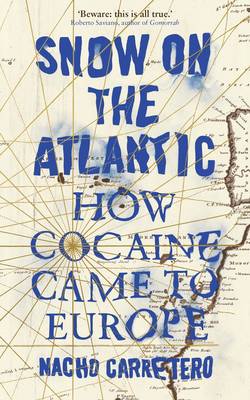
In Snow on the Atlantic, the book the Spanish national court tried to ban, intrepid investigative journalist Nacho Carretero tells the incredible story of how a sleepy, unassuming corner of Spain became the cocaine gateway into Europe, exposing a new generation of criminals, cartels and corrupt officials, more efficient and ruthless than any who came before.
In Snow on the Atlantic, the book the Spanish national court tried to ban, intrepid investigative journalist Nacho Carretero tells the incredible story of how a sleepy, unassuming corner of Spain became the cocaine gateway into Europe, exposing a new generation of criminals, cartels and corrupt officials, more efficient and ruthless than any who came before.
Specificaties
Betrokkenen
- Auteur(s):
- Vertaler(s):
- Uitgeverij:
Inhoud
- Aantal bladzijden:
- 368
- Taal:
- Engels
Eigenschappen
- Productcode (EAN):
- 9781786993021
- Verschijningsdatum:
- 15/09/2018
- Uitvoering:
- Paperback
- Formaat:
- Trade paperback (VS)
- Afmetingen:
- 135 mm x 213 mm
- Gewicht:
- 385 g


Alleen bij Standaard Boekhandel
+ 74 punten op je klantenkaart van Standaard Boekhandel
AANGERADEN


Beoordelingen
We publiceren alleen reviews die voldoen aan de voorwaarden voor reviews. Bekijk onze voorwaarden voor reviews.