


- Afhalen na 1 uur in een winkel met voorraad
- Gratis thuislevering in België vanaf € 30
- Ruim aanbod met 7 miljoen producten
- Afhalen na 1 uur in een winkel met voorraad
- Gratis thuislevering in België vanaf € 30
- Ruim aanbod met 7 miljoen producten





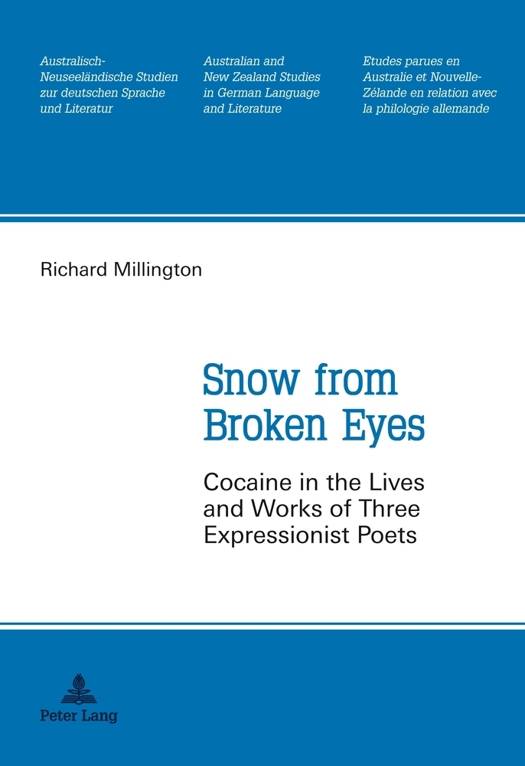
Snow from Broken Eyes
Cocaine in the Lives and Works of Three Expressionist Poets
Richard Millington
€ 97,45
+ 194 punten
Omschrijving
The highpoint of German Expressionism in the second decade of the 20th century coincided with a rapid increase in the availability of cocaine as the drug was stockpiled for medical purposes by armies fighting the First World War. Snow from Broken Eyes investigates the implications of this historical intersection for the lives and works of three poets associated with Expressionism: Gottfried Benn, Walter Rheiner and Georg Trakl. All three are known to have used the drug during the War, although under very different circumstances, and the cocaine references contained in their works are equally diverse. These range from demonstrative declarations of drug use (Benn), via agonized textual re-enactments of the addict's humiliation and suffering (Rheiner), to the integration of drug symbolism into an original, deeply resonant poetic code (Trakl). In this study, the findings arising from close readings of key works by Benn, Rheiner and Trakl are contextualized in relation both to the longstanding historical association between psychoactive substances and imaginative literature, and to the radical innovations in literary style that characterized the early 20th century.
Specificaties
Betrokkenen
- Auteur(s):
- Uitgeverij:
Inhoud
- Aantal bladzijden:
- 341
- Taal:
- Engels
- Reeks:
- Reeksnummer:
- nr. 20
Eigenschappen
- Productcode (EAN):
- 9783034310697
- Verschijningsdatum:
- 28/11/2011
- Uitvoering:
- Paperback
- Formaat:
- Trade paperback (VS)
- Afmetingen:
- 150 mm x 220 mm
- Gewicht:
- 489 g


Alleen bij Standaard Boekhandel
+ 194 punten op je klantenkaart van Standaard Boekhandel
CADEAU

AANGERADEN


Beoordelingen
We publiceren alleen reviews die voldoen aan de voorwaarden voor reviews. Bekijk onze voorwaarden voor reviews.