


- Afhalen na 1 uur in een winkel met voorraad
- Gratis thuislevering in België vanaf € 30
- Ruim aanbod met 7 miljoen producten
- Afhalen na 1 uur in een winkel met voorraad
- Gratis thuislevering in België vanaf € 30
- Ruim aanbod met 7 miljoen producten





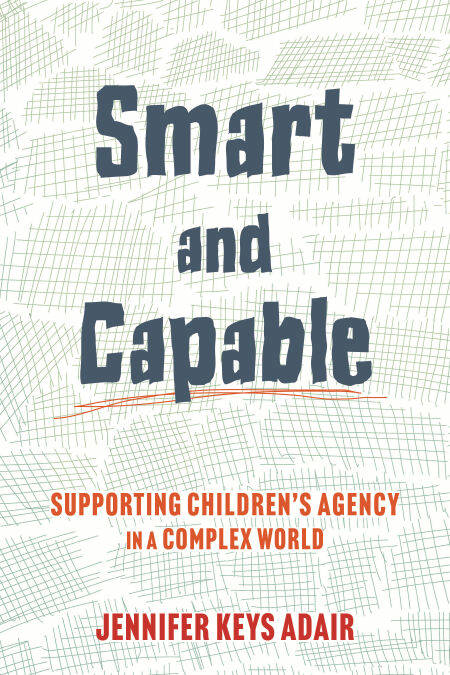
Smart and Capable E-BOOK
Supporting Children's Agency in a Complex World
Jennifer Keys Adair
E-book | Engels
€ 26,56
+ 26 punten
Uitvoering
Omschrijving
A global perspective on early childhood learning and education – giving us clear evidence that children are smart and capable, and why agency is so important for children’s learning
Young children are smart and capable. They already have most of what they need to learn and grow. Author Dr. Jennifer Keys Adair, a Professor of Early Childhood Education and a preschool teacher-turned-cultural anthropologist draws upon 20 years of stories and scientific evidence to show why agency is so important for children’s learning, even in a society that can be dangerous and complicated.
Using examples from many different countries and communities around the world – from Austin, Texas to Bangalaru, Karnataka - this book offers nine core experiences that honor and support young children’s agency: Exploration, Participation, Caring for the Natural World, Conflict, Difficult Discussions, Caring for People, Multilingualism, Multiplicity, and Protection.
Adair emphasizes that the nine experiences have endless variation and will look different depending on where you live, what you have access to, and the types of realities you face. This book is not a manual or a "how to” for teachers and parents, because there is no one best way to support children’s agency. To make this case, Adair includes stories of infants, toddlers, and young children in parks, homes, childcare programs, preschools, elementary classrooms and community centers using their agency in a variety of circumstances.
The heart of the book is a hope that adults will find their own ways to create environments in which children can enact their agency early and safely, so children can shift the world they are inheriting to the world they want.
Young children are smart and capable. They already have most of what they need to learn and grow. Author Dr. Jennifer Keys Adair, a Professor of Early Childhood Education and a preschool teacher-turned-cultural anthropologist draws upon 20 years of stories and scientific evidence to show why agency is so important for children’s learning, even in a society that can be dangerous and complicated.
Using examples from many different countries and communities around the world – from Austin, Texas to Bangalaru, Karnataka - this book offers nine core experiences that honor and support young children’s agency: Exploration, Participation, Caring for the Natural World, Conflict, Difficult Discussions, Caring for People, Multilingualism, Multiplicity, and Protection.
Adair emphasizes that the nine experiences have endless variation and will look different depending on where you live, what you have access to, and the types of realities you face. This book is not a manual or a "how to” for teachers and parents, because there is no one best way to support children’s agency. To make this case, Adair includes stories of infants, toddlers, and young children in parks, homes, childcare programs, preschools, elementary classrooms and community centers using their agency in a variety of circumstances.
The heart of the book is a hope that adults will find their own ways to create environments in which children can enact their agency early and safely, so children can shift the world they are inheriting to the world they want.
Specificaties
Betrokkenen
- Auteur(s):
- Uitgeverij:
Inhoud
- Aantal bladzijden:
- 200
- Taal:
- Engels
Eigenschappen
- Productcode (EAN):
- 9780807045121
- Verschijningsdatum:
- 30/11/2026
- Uitvoering:
- E-book
- Beveiligd met:
- Adobe DRM
- Formaat:
- ePub


Alleen bij Standaard Boekhandel
+ 26 punten op je klantenkaart van Standaard Boekhandel
Cadeau

AANGERADEN


Beoordelingen
We publiceren alleen reviews die voldoen aan de voorwaarden voor reviews. Bekijk onze voorwaarden voor reviews.