


- Afhalen na 1 uur in een winkel met voorraad
- Gratis thuislevering in België vanaf € 30
- Ruim aanbod met 7 miljoen producten
- Afhalen na 1 uur in een winkel met voorraad
- Gratis thuislevering in België vanaf € 30
- Ruim aanbod met 7 miljoen producten





€ 146,45
+ 292 punten
Uitvoering
Omschrijving
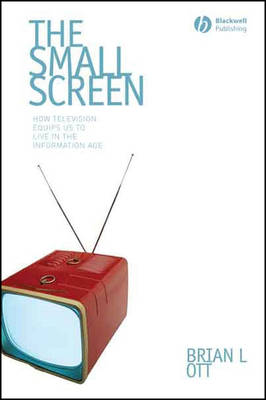
Television is one of the most important socializing forces in contemporary culture. This book is a cultural history of prime-time television in America during the 1990s.
- Examines changes that took place in programming, such as the rapid adoption of cable, the proliferation of content providers, the development of niche marketing, the introduction of high-definition television, the blurring of traditional genres, and the creation of new formats like reality-based programming
- Argues that television programmes of the 1990s afforded viewers a symbolic resource for negotiating the psychological challenges associated with the shift from the Industrial Age to the Information Age
- Explores the ways in which television provided viewers with tools for coming to terms with their fears about living in the fast-paced, increasingly diverse, information-laden society of the 90s
Specificaties
Betrokkenen
- Auteur(s):
- Uitgeverij:
Inhoud
- Aantal bladzijden:
- 216
- Taal:
- Engels
Eigenschappen
- Productcode (EAN):
- 9781405161541
- Verschijningsdatum:
- 23/07/2007
- Uitvoering:
- Hardcover
- Formaat:
- Genaaid
- Afmetingen:
- 152 mm x 229 mm
- Gewicht:
- 458 g


Alleen bij Standaard Boekhandel
+ 292 punten op je klantenkaart van Standaard Boekhandel
Cadeau

AANGERADEN


Beoordelingen
We publiceren alleen reviews die voldoen aan de voorwaarden voor reviews. Bekijk onze voorwaarden voor reviews.