


- Afhalen na 1 uur in een winkel met voorraad
- Gratis thuislevering in België vanaf € 30
- Ruim aanbod met 7 miljoen producten
- Afhalen na 1 uur in een winkel met voorraad
- Gratis thuislevering in België vanaf € 30
- Ruim aanbod met 7 miljoen producten





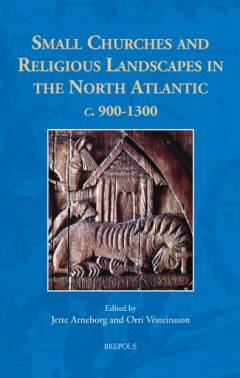
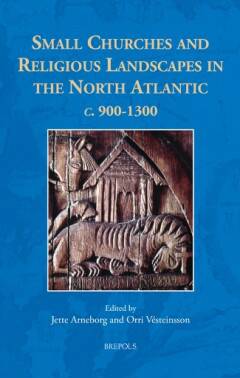
Small Churches and Religious Landscapes in the North Atlantic C. 900-1300
Jette Arneborg
€ 148,40
+ 296 punten
Omschrijving
In recent years, archaeologists working at Norse sites across the North Atlantic have excavated a number of very small churches with cemeteries, often associated with individual farms. Such sites seem to be a characteristic feature of early ecclesiastical establishments in Norse settlements around the North Atlantic, and they stand in marked contrast to church sites elsewhere in Europe. But what was the reason behind this phenomenon? From Greenland to Denmark, and from Ireland to the Hebrides, Iceland, and Norway, this volume presents a much-needed overview of small church studies from around the North Atlantic. The chapters gathered here discuss the different types of evidence for small churches and early ecclesiastical landscapes, review existing debates, and develop a synthesis that places the small churches in a broader context. Ultimately, despite the varied types of data at play, the contributions to this volume combine to offer a more coherent picture of the small church phenomenon, pointing to a church that was able to answer the needs of a newly converted population despite the lack of an established infrastructure, and throwing new light on how people lived and worshipped in an environment of dispersed settlements.
Specificaties
Betrokkenen
- Auteur(s):
- Uitgeverij:
Inhoud
- Aantal bladzijden:
- 350
- Taal:
- Engels
- Reeks:
- Reeksnummer:
- nr. 9
Eigenschappen
- Productcode (EAN):
- 9782503605258
- Verschijningsdatum:
- 2/05/2025
- Uitvoering:
- Paperback
- Formaat:
- Trade paperback (VS)
- Afmetingen:
- 216 mm x 279 mm
- Gewicht:
- 1179 g


Alleen bij Standaard Boekhandel
+ 296 punten op je klantenkaart van Standaard Boekhandel
CADEAU

AANGERADEN


Beoordelingen
We publiceren alleen reviews die voldoen aan de voorwaarden voor reviews. Bekijk onze voorwaarden voor reviews.