


- Afhalen na 1 uur in een winkel met voorraad
- Gratis thuislevering in België vanaf € 30
- Ruim aanbod met 7 miljoen producten
- Afhalen na 1 uur in een winkel met voorraad
- Gratis thuislevering in België vanaf € 30
- Ruim aanbod met 7 miljoen producten





€ 50,99
+ 50 punten
Uitvoering
Omschrijving
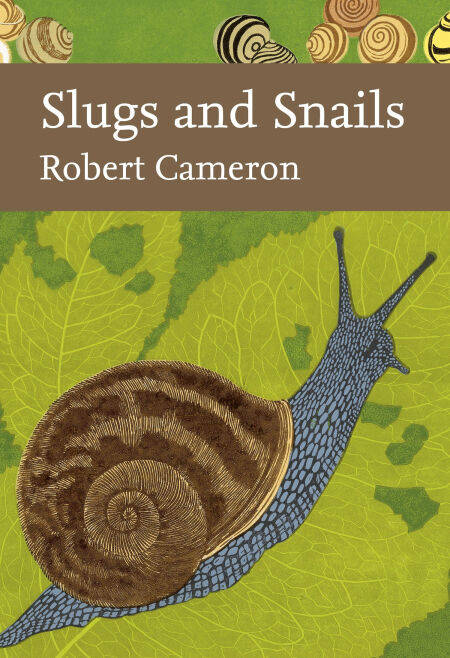
Slugs and snails are part of the great Phylum Mollusca, a group that contains creatures as varied as the fast-moving squid or the sedentary clams, cockles and mussels. The largest group, however, are the gastropods, animals originally with a single foot and a single coiled shell.
They are the only group of molluscs to have representatives living on land as well as in the sea and freshwaters. This book is about the slugs and snails that live on land.
For creatures living on land they are bizarre: snails carry a huge weight of shell; both snails and slugs move slowly relative to their potential enemies; and most are not well camouflaged. Their wet bodies are at the mercy of dry weather and their movement is very wasteful of energy and water. Despite all this, they are found from the tundra through to deserts, and on all continents apart from Antarctica. They have reached the most remote oceanic islands and undergone amazing evolutionary developments. In terms of species, they outnumber all land vertebrates. As pests, slugs and snails are all too familiar. The damage that they can cause in our gardens and to agricultural crops can be considerable and they are remarkably tenacious and thus difficult to control.
In this long-anticipated New Naturalist volume, Robert Cameron introduces us to this remarkable group of gastropods. While dealing with the natural history of slugs and snails of the British Isles it also ventures across the world to explore the wide range of structures and ways of life of slugs and snails, particularly their sometimes bizarre mating habits, which in turn help to illuminate the ways in which evolution has shaped the living world.
Snails can be and have been used to explore important ideas in evolutionary biology, in biogeography and in ecology, and Cameron draws out these explorations, looking specifically at the role of evolution in determining how our understanding of snails has developed over the years.
They are the only group of molluscs to have representatives living on land as well as in the sea and freshwaters. This book is about the slugs and snails that live on land.
For creatures living on land they are bizarre: snails carry a huge weight of shell; both snails and slugs move slowly relative to their potential enemies; and most are not well camouflaged. Their wet bodies are at the mercy of dry weather and their movement is very wasteful of energy and water. Despite all this, they are found from the tundra through to deserts, and on all continents apart from Antarctica. They have reached the most remote oceanic islands and undergone amazing evolutionary developments. In terms of species, they outnumber all land vertebrates. As pests, slugs and snails are all too familiar. The damage that they can cause in our gardens and to agricultural crops can be considerable and they are remarkably tenacious and thus difficult to control.
In this long-anticipated New Naturalist volume, Robert Cameron introduces us to this remarkable group of gastropods. While dealing with the natural history of slugs and snails of the British Isles it also ventures across the world to explore the wide range of structures and ways of life of slugs and snails, particularly their sometimes bizarre mating habits, which in turn help to illuminate the ways in which evolution has shaped the living world.
Snails can be and have been used to explore important ideas in evolutionary biology, in biogeography and in ecology, and Cameron draws out these explorations, looking specifically at the role of evolution in determining how our understanding of snails has developed over the years.
Specificaties
Betrokkenen
- Auteur(s):
- Uitgeverij:
Inhoud
- Aantal bladzijden:
- 528
- Taal:
- Engels
- Reeks:
Eigenschappen
- Productcode (EAN):
- 9780008203498
- Verschijningsdatum:
- 14/12/2016
- Uitvoering:
- E-book
- Beveiligd met:
- Adobe DRM
- Formaat:
- ePub


Alleen bij Standaard Boekhandel
+ 50 punten op je klantenkaart van Standaard Boekhandel
Cadeau

AANGERADEN


Beoordelingen
We publiceren alleen reviews die voldoen aan de voorwaarden voor reviews. Bekijk onze voorwaarden voor reviews.