


- Afhalen na 1 uur in een winkel met voorraad
- Gratis thuislevering in België vanaf € 30
- Ruim aanbod met 7 miljoen producten
- Afhalen na 1 uur in een winkel met voorraad
- Gratis thuislevering in België vanaf € 30
- Ruim aanbod met 7 miljoen producten





€ 145,95
+ 291 punten
Omschrijving
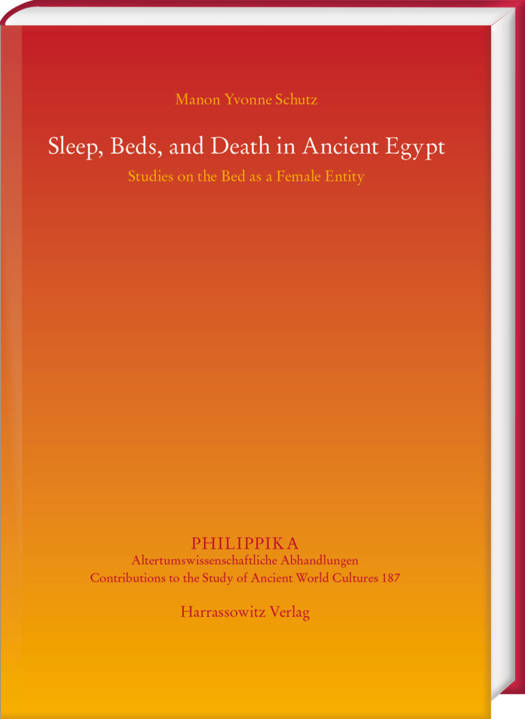
Sleep is inevitable. Yet, while sleep unites all human beings, the when, where, how, with whom, and how long can vary significantly from time to time, place to place, family to family and often depends on the capabilities of those affected. Nonetheless, there are certain aspects that can be encountered everywhere: the wish to feel safe while sleeping and the related hope of getting up again the next morning. For this reason, people spare no effort to create a sleeping place that protects them literally and symbolically, with the bed often at the very center. In ancient Egypt, beds are the first documented pieces of furniture, highlighting their significance from the very beginning - a significance that can be traced right back to the Roman period. They occur as actual items and models as well as in paintings, reliefs and texts. As death and sleep have been intrinsically linked since Predynastic times, it is certainly not surprising that beds do not only play an important role in the everyday life of their owners, but also in the context of burials. In fact, most of the known material stems from burials. Using various two- and three-dimensional types of evidence, the study by Manon Yvonne Schutz tests modern preconceptions and deconstructs them where necessary, before reconstructing the term 'bed' from the ancient Egyptian perspective. A major focus lies on the object as a representation of the mother goddess, who embraces and protects the deceased sleeper during the night and actively helps him or her to wake up and be reborn in the morning. Ultimately, this volume tells a (not THE) story of the ancient Egyptian bed which, at its core, is a tale about the shared fears and hopes of humankind.
Specificaties
Betrokkenen
- Auteur(s):
- Uitgeverij:
Inhoud
- Aantal bladzijden:
- 708
- Taal:
- Engels
- Reeks:
- Reeksnummer:
- nr. 187
Eigenschappen
- Productcode (EAN):
- 9783447124294
- Verschijningsdatum:
- 18/02/2026
- Uitvoering:
- Hardcover
- Formaat:
- Genaaid
- Afmetingen:
- 210 mm x 297 mm
- Gewicht:
- 353 g


Alleen bij Standaard Boekhandel
+ 291 punten op je klantenkaart van Standaard Boekhandel
Cadeau

AANGERADEN


Beoordelingen
We publiceren alleen reviews die voldoen aan de voorwaarden voor reviews. Bekijk onze voorwaarden voor reviews.