


- Afhalen na 1 uur in een winkel met voorraad
- Gratis thuislevering in België vanaf € 30
- Ruim aanbod met 7 miljoen producten
- Afhalen na 1 uur in een winkel met voorraad
- Gratis thuislevering in België vanaf € 30
- Ruim aanbod met 7 miljoen producten





€ 67,95
+ 135 punten
Uitvoering
Eenvoudig bestellen
Veilig betalen


Gratis thuislevering vanaf € 30 (via bpost)
Gratis levering in je Standaard Boekhandel
Omschrijving
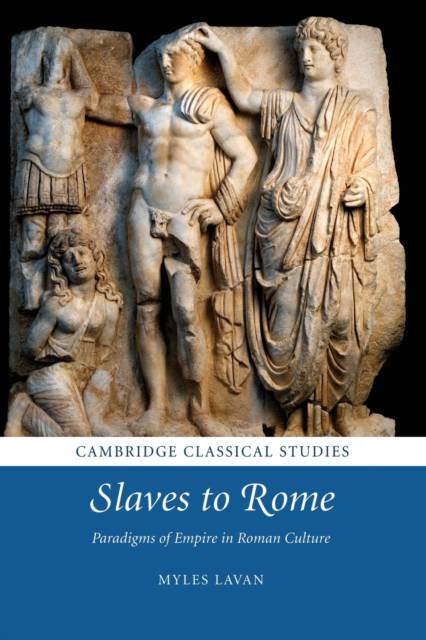
This study in the language of Roman imperialism provides a provocative new perspective on the Roman imperial project. It highlights the prominence of the language of mastery and slavery in Roman descriptions of the conquest and subjection of the provinces. More broadly, it explores how Roman writers turn to paradigmatic modes of dependency familiar from everyday life - not just slavery but also clientage and childhood - in order to describe their authority over, and responsibilities to, the subject population of the provinces. It traces the relative importance of these different models for the imperial project across almost three centuries of Latin literature, from the middle of the first century BCE to the beginning of the third century CE.
Specificaties
Betrokkenen
- Auteur(s):
- Uitgeverij:
Inhoud
- Aantal bladzijden:
- 304
- Taal:
- Engels
- Reeks:
Eigenschappen
- Productcode (EAN):
- 9781107674448
- Verschijningsdatum:
- 15/09/2016
- Uitvoering:
- Paperback
- Formaat:
- Trade paperback (VS)
- Afmetingen:
- 152 mm x 229 mm
- Gewicht:
- 408 g


Alleen bij Standaard Boekhandel
+ 135 punten op je klantenkaart van Standaard Boekhandel
CADEAU

AANGERADEN


Beoordelingen
We publiceren alleen reviews die voldoen aan de voorwaarden voor reviews. Bekijk onze voorwaarden voor reviews.