


- Afhalen na 1 uur in een winkel met voorraad
- Gratis thuislevering in België vanaf € 30
- Ruim aanbod met 7 miljoen producten
- Afhalen na 1 uur in een winkel met voorraad
- Gratis thuislevering in België vanaf € 30
- Ruim aanbod met 7 miljoen producten





€ 96,95
+ 193 punten
Uitvoering
Omschrijving
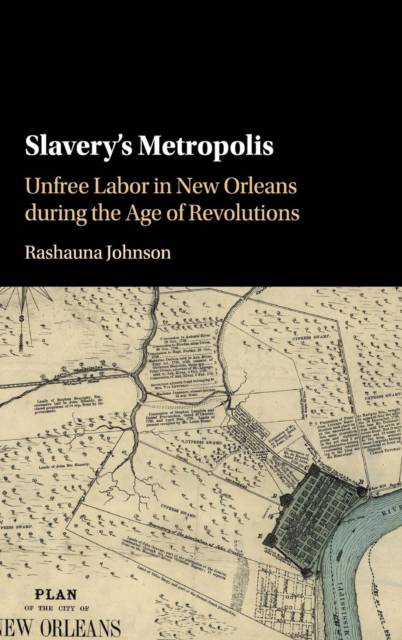
New Orleans is an iconic city, which was once located at the crossroads of early America and the Atlantic World. New Orleans became a major American metropolis as its slave population exploded; in the early nineteenth century, slaves made up one third of the urban population. In contrast to our typical understanding of rural, localized, isolated bondage in the emergent Deep South, daily experiences of slavery in New Orleans were global, interconnected, and transient. Slavery's Metropolis uses slave circulations through New Orleans between 1791 and 1825 to map the social and cultural history of enslaved men and women and the rapidly shifting city, nation, and world in which they lived. Investigating emigration from the Caribbean to Louisiana during the Haitian Revolution, commodity flows across urban-rural divides, multiracial amusement places, the local jail, and freedom-seeking migrations to Trinidad following the War of 1812, it remaps the history of slavery in modern urban society.
Specificaties
Betrokkenen
- Auteur(s):
- Uitgeverij:
Inhoud
- Aantal bladzijden:
- 260
- Taal:
- Engels
- Reeks:
Eigenschappen
- Productcode (EAN):
- 9781107133716
- Verschijningsdatum:
- 7/11/2016
- Uitvoering:
- Hardcover
- Formaat:
- Genaaid
- Afmetingen:
- 157 mm x 239 mm
- Gewicht:
- 498 g


Alleen bij Standaard Boekhandel
+ 193 punten op je klantenkaart van Standaard Boekhandel
Cadeau

AANGERADEN


Beoordelingen
We publiceren alleen reviews die voldoen aan de voorwaarden voor reviews. Bekijk onze voorwaarden voor reviews.