


- Afhalen na 1 uur in een winkel met voorraad
- Gratis thuislevering in België vanaf € 30
- Ruim aanbod met 7 miljoen producten
- Afhalen na 1 uur in een winkel met voorraad
- Gratis thuislevering in België vanaf € 30
- Ruim aanbod met 7 miljoen producten





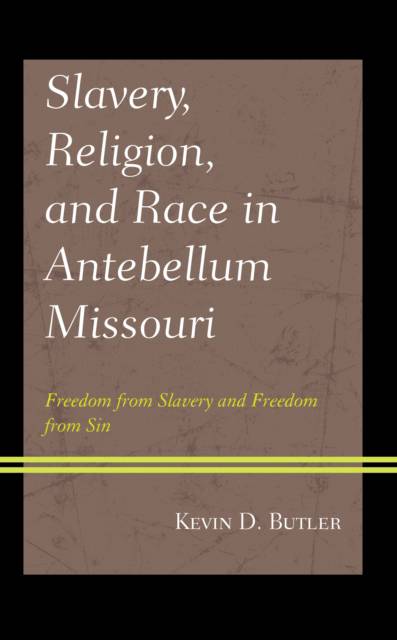
Slavery, Religion, and Race in Antebellum Missouri
Freedom from Slavery and Freedom from Sin
Kevin D Butler
€ 169,95
+ 339 punten
Omschrijving
Antebellum Missouri's location at the intersection of North, South, and West makes it a location that allows one to examine regionalism in the United States in one location since Missouri contained characteristics of each region. Missouri also provides a view of how religion functioned for people in the antebellum United States. The institution of slavery transformed evangelical Christianity in the South from an influence with potential to erode slavery into an institution that was a bulwark for slavery. For African Americans, religion constituted part of their cultural resistance against the dehumanization of slavery. Through conjure, their traditional religion, they sought control over their own lives and practical tools to aid them with everyday issues. Christianity also provided control over their destiny and a belief system, that in their hands, affirmed the sinfulness of slavery and confirmed that it was their right and their destiny to be free.
Specificaties
Betrokkenen
- Auteur(s):
- Uitgeverij:
Inhoud
- Aantal bladzijden:
- 190
- Taal:
- Engels
- Reeks:
Eigenschappen
- Productcode (EAN):
- 9781666916997
- Verschijningsdatum:
- 15/02/2023
- Uitvoering:
- Hardcover
- Formaat:
- Genaaid
- Afmetingen:
- 152 mm x 229 mm
- Gewicht:
- 449 g


Alleen bij Standaard Boekhandel
+ 339 punten op je klantenkaart van Standaard Boekhandel
Cadeau

AANGERADEN


Beoordelingen
We publiceren alleen reviews die voldoen aan de voorwaarden voor reviews. Bekijk onze voorwaarden voor reviews.