


- Afhalen na 1 uur in een winkel met voorraad
- Gratis thuislevering in België vanaf € 30
- Ruim aanbod met 7 miljoen producten
- Afhalen na 1 uur in een winkel met voorraad
- Gratis thuislevering in België vanaf € 30
- Ruim aanbod met 7 miljoen producten





€ 36,45
+ 72 punten
Omschrijving
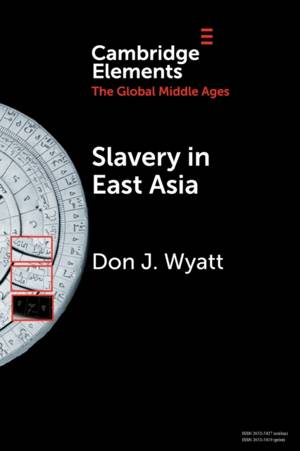
In premodern China, Korea, Japan, and Vietnam, just as in the far less culturally cohesive countries composing the West of the Middle Ages, enslavement was an assumed condition of servitude warranting little examination, as the power and profits it afforded to the slaver made it a convention pursued unreflectively. Slavery in medieval East Asia shared with the West the commonplace assumption that nearly all humans were potential chattel, that once they had become owned beings, they could then be either sold or inherited. Yet, despite being representative of perhaps the most universalizable human practice of that age, slavery in medieval East Asia was also endowed with its own distinctive traits and traditions. Our awareness of these features of distinction contributes immeasurably to a more nuanced understanding of slavery as the ubiquitous and openly practiced institution that it once was and the now illicit and surreptitious one that it intractably remains.
Specificaties
Betrokkenen
- Auteur(s):
- Uitgeverij:
Inhoud
- Aantal bladzijden:
- 88
- Taal:
- Engels
- Reeks:
Eigenschappen
- Productcode (EAN):
- 9781009001700
- Verschijningsdatum:
- 5/01/2023
- Uitvoering:
- Paperback
- Formaat:
- Trade paperback (VS)
- Afmetingen:
- 152 mm x 229 mm
- Gewicht:
- 127 g


Alleen bij Standaard Boekhandel
+ 72 punten op je klantenkaart van Standaard Boekhandel
Cadeau

AANGERADEN


Beoordelingen
We publiceren alleen reviews die voldoen aan de voorwaarden voor reviews. Bekijk onze voorwaarden voor reviews.