


- Afhalen na 1 uur in een winkel met voorraad
- Gratis thuislevering in België vanaf € 30
- Ruim aanbod met 7 miljoen producten
- Afhalen na 1 uur in een winkel met voorraad
- Gratis thuislevering in België vanaf € 30
- Ruim aanbod met 7 miljoen producten





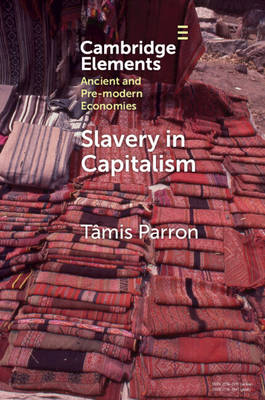
Omschrijving
The enslavement of Africans in the Americas profoundly shaped the continent's demography, cultures, languages, and legal systems, playing a decisive role in modern economic growth and the rise of industrial capitalism. Yet, its historical interpretation remains contested. One view sees modern slavery as beginning with the transatlantic slave trade, disconnecting it from earlier traditions in Europe, Africa, and Asia. Another claims slavery is a universal institution, unchanged across millennia. Moving beyond this dichotomy, the book offers a new framework for the study of Black slavery in the Americas. It situates slavery within a broader and older human geography: a world region of enslavement that dates back to the deep historical formation of the Mediterranean basin. By tracing the emergence of modern slavery from within this ancient system, the book sheds new light on its conditions of existence, collapse, and reconfiguration up to the present day.
Specificaties
Betrokkenen
- Auteur(s):
- Uitgeverij:
Inhoud
- Aantal bladzijden:
- 75
- Taal:
- Engels
- Reeks:
Eigenschappen
- Productcode (EAN):
- 9781009465069
- Verschijningsdatum:
- 31/07/2026
- Uitvoering:
- Paperback
- Formaat:
- Trade paperback (VS)


Alleen bij Standaard Boekhandel
+ 48 punten op je klantenkaart van Standaard Boekhandel
CADEAU

AANGERADEN


Beoordelingen
We publiceren alleen reviews die voldoen aan de voorwaarden voor reviews. Bekijk onze voorwaarden voor reviews.