


- Afhalen na 1 uur in een winkel met voorraad
- Gratis thuislevering in België vanaf € 30
- Ruim aanbod met 7 miljoen producten
- Afhalen na 1 uur in een winkel met voorraad
- Gratis thuislevering in België vanaf € 30
- Ruim aanbod met 7 miljoen producten





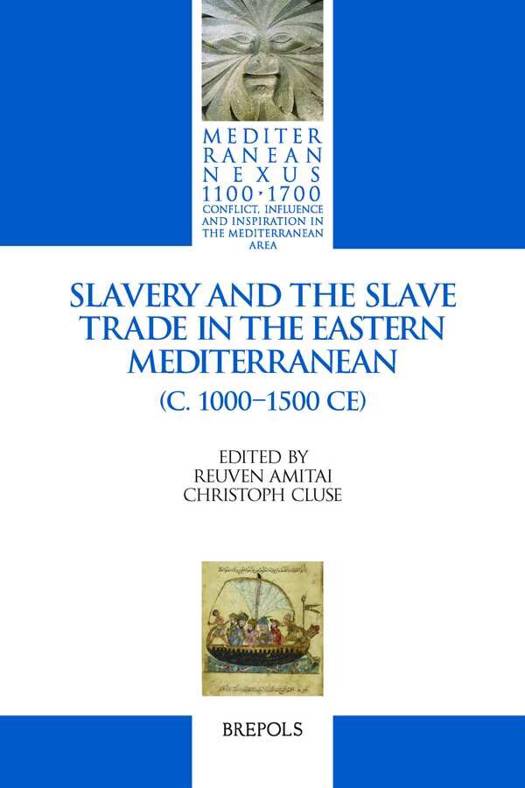
Slavery and the Slave Trade in the Eastern Mediterranean (C. 1000-1500 Ce)
Reuven Amitai
€ 148,40
+ 296 punten
Omschrijving
Slavery was an important component of medieval life, certainly so in the Mediterranean basin and nearby lands. Muslims, Christians and Jews all owned slaved, and slave traders hailed from a variety of locations across the region. Slaves entered the Mediterranean from the Black Sea basin and the nearby steppes and as local prisoners of war and captives of raiding, as well as from Bilad al-Sudan, the Land of the Blacks stretching across Sub-Saharan Africa. In the Eastern Mediterranean of the later Middle Ages, many slaves were employed in domestic work, and only occasionally in farming or other forms of production. In the Islamic countries of this region we also find military slaves, mostly of Turkish origin hailing from the Eurasian Steppes, and generally known as Mamluks. This volume contains innovative studies that look at various aspects of slavery and the slave trade in the Eastern Mediterranean between about 1000-1500 CE: overviews of slavery in the different religious traditions, examinations of the role of the Italian merchant cities - mainly Venice and Genoa - in this trade, the nature of Mamluk military slavery and aspects of the commerce in these so-called slave soldiers.
Specificaties
Betrokkenen
- Auteur(s):
- Uitgeverij:
Inhoud
- Aantal bladzijden:
- 487
- Taal:
- Engels
- Reeks:
- Reeksnummer:
- nr. 5
Eigenschappen
- Productcode (EAN):
- 9782503570198
- Verschijningsdatum:
- 15/01/2018
- Uitvoering:
- Hardcover
- Formaat:
- Genaaid
- Afmetingen:
- 165 mm x 239 mm
- Gewicht:
- 975 g


Alleen bij Standaard Boekhandel
+ 296 punten op je klantenkaart van Standaard Boekhandel
Cadeau

AANGERADEN


Beoordelingen
We publiceren alleen reviews die voldoen aan de voorwaarden voor reviews. Bekijk onze voorwaarden voor reviews.