


- Afhalen na 1 uur in een winkel met voorraad
- Gratis thuislevering in België vanaf € 30
- Ruim aanbod met 7 miljoen producten
- Afhalen na 1 uur in een winkel met voorraad
- Gratis thuislevering in België vanaf € 30
- Ruim aanbod met 7 miljoen producten





€ 172,95
+ 345 punten
Uitvoering
Omschrijving
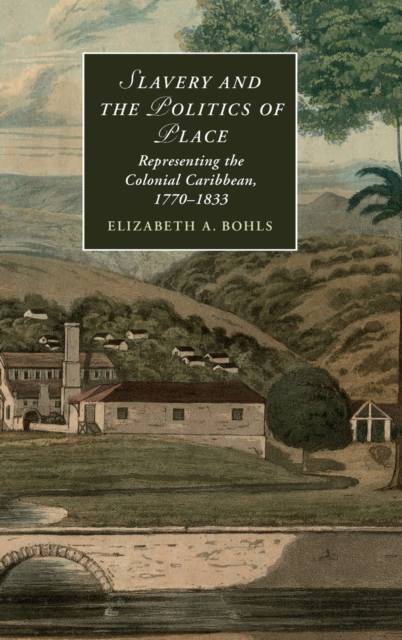
Geography played a key role in Britain's long national debate over slavery. Writers on both sides of the question represented the sites of slavery - Africa, the Caribbean, and the British Isles - as fully imagined places and the basis for a pro- or anti-slavery political agenda. With the help of twenty-first-century theories of space and place, Elizabeth A. Bohls examines the writings of planters, slaves, soldiers, sailors, and travellers whose diverse geographical and social locations inflect their representations of slavery. She shows how these writers use discourses of aesthetics, natural history, cultural geography, and gendered domesticity to engage with the slavery debate. Six interlinked case studies, including Scottish mercenary John Stedman and domestic slave Mary Prince, examine the power of these discourses to represent the places of slavery, setting slaves' narratives in dialogue with pro-slavery texts, and highlighting in the latter previously unnoticed traces of the enslaved.
Specificaties
Betrokkenen
- Auteur(s):
- Uitgeverij:
Inhoud
- Aantal bladzijden:
- 288
- Taal:
- Engels
- Reeks:
- Reeksnummer:
- nr. 108
Eigenschappen
- Productcode (EAN):
- 9781107079342
- Verschijningsdatum:
- 23/10/2014
- Uitvoering:
- Hardcover
- Formaat:
- Genaaid
- Afmetingen:
- 154 mm x 236 mm
- Gewicht:
- 544 g


Alleen bij Standaard Boekhandel
+ 345 punten op je klantenkaart van Standaard Boekhandel
Cadeau

AANGERADEN


Beoordelingen
We publiceren alleen reviews die voldoen aan de voorwaarden voor reviews. Bekijk onze voorwaarden voor reviews.