


- Afhalen na 1 uur in een winkel met voorraad
- Gratis thuislevering in België vanaf € 30
- Ruim aanbod met 7 miljoen producten
- Afhalen na 1 uur in een winkel met voorraad
- Gratis thuislevering in België vanaf € 30
- Ruim aanbod met 7 miljoen producten





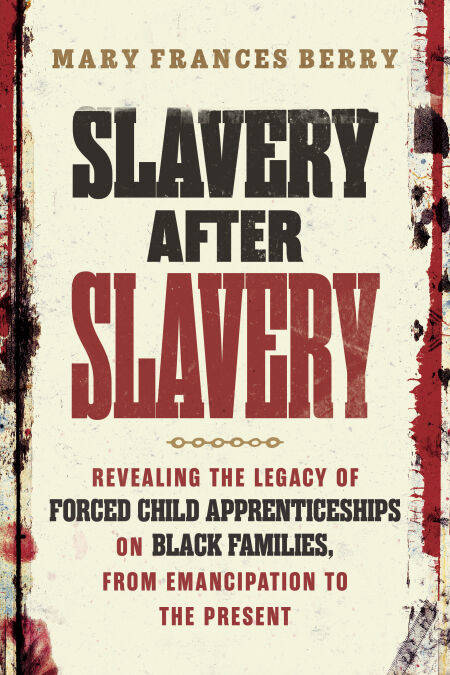
Slavery After Slavery E-BOOK
Revealing the Legacy of Forced Child Apprenticeships on Black Families, from Emancipation to the Present
Mary Frances Berry
E-book | Engels
€ 19,66
+ 19 punten
Uitvoering
Omschrijving
An acclaimed historian narrates the stories of newly emancipated children who were re-enslaved by white masters through apprenticeships and their parents fights to free them
While the Thirteenth Amendment abolished slavery, white southerners established a system of apprenticeship after the Civil War that entrapped Black children and their families, leading to undue hardships for generations to come. In Slavery After Slavery, historian Mary Frances Berry traces the stories behind individual cases from southern supreme courts to demonstrate how formerly enslaved families and their descendants were systemically injured through white supremacist practices, perpetuated by the legal system.
By filling in the family trees of formerly enslaved people to their descendants, Berry documents the intergenerational harm they experienced. The resulting damage of trafficking Black children through apprenticeship laws has been a largely overlooked source of inequality, yet these cases provide specific examples of the kind of economic and physical harm Black families have endured.
Slavery After Slavery tells individual stories, but the fates of their descendants tell our collective American story—contributing powerfully to a case for reparations and restorative justice.
While the Thirteenth Amendment abolished slavery, white southerners established a system of apprenticeship after the Civil War that entrapped Black children and their families, leading to undue hardships for generations to come. In Slavery After Slavery, historian Mary Frances Berry traces the stories behind individual cases from southern supreme courts to demonstrate how formerly enslaved families and their descendants were systemically injured through white supremacist practices, perpetuated by the legal system.
By filling in the family trees of formerly enslaved people to their descendants, Berry documents the intergenerational harm they experienced. The resulting damage of trafficking Black children through apprenticeship laws has been a largely overlooked source of inequality, yet these cases provide specific examples of the kind of economic and physical harm Black families have endured.
Slavery After Slavery tells individual stories, but the fates of their descendants tell our collective American story—contributing powerfully to a case for reparations and restorative justice.
Specificaties
Betrokkenen
- Auteur(s):
- Uitgeverij:
Inhoud
- Aantal bladzijden:
- 200
- Taal:
- Engels
Eigenschappen
- Productcode (EAN):
- 9780807007846
- Verschijningsdatum:
- 20/01/2025
- Uitvoering:
- E-book
- Beveiligd met:
- Adobe DRM
- Formaat:
- ePub


Alleen bij Standaard Boekhandel
+ 19 punten op je klantenkaart van Standaard Boekhandel
Cadeau

AANGERADEN


Beoordelingen
We publiceren alleen reviews die voldoen aan de voorwaarden voor reviews. Bekijk onze voorwaarden voor reviews.