



- Afhalen na 1 uur in een winkel met voorraad
- In januari gratis thuislevering in België
- Ruim aanbod met 7 miljoen producten
- Afhalen na 1 uur in een winkel met voorraad
- In januari gratis thuislevering in België
- Ruim aanbod met 7 miljoen producten




€ 0,49
Omschrijving
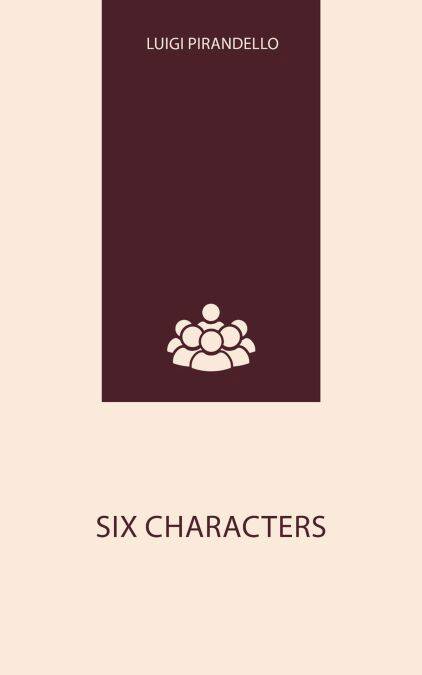
Six Characters by Luigi Pirandello is a groundbreaking theatrical masterpiece that revolutionized modern drama and challenged the very nature of reality, identity, and storytelling. Bold, innovative, and intellectually provocative, this seminal work dismantles the boundaries between fiction and life, drawing audiences into a world where characters demand to be heard and truth becomes a shifting, elusive force.
The play opens in the midst of a theatrical rehearsal when six mysterious figures suddenly appear on stage. They are not actors but "characters"—abandoned creations of an author who never completed their story. Desperate for their drama to be realized, they interrupt the rehearsal and insist that the director and actors bring their tragic tale to life. What unfolds is a layered and self-reflective exploration of illusion and authenticity, as the characters argue that their emotional reality is more genuine than the artificial performances of the actors attempting to portray them.
At the heart of the work lies a haunting family drama marked by betrayal, misunderstanding, guilt, and suffering. Each of the six figures carries a distinct perspective on shared events, exposing the instability of truth and the subjectivity of memory. As their story is reenacted and contested on stage, tensions escalate between the characters and the theatrical company, blurring the line between performance and lived experience.
Pirandello's genius lies in his daring experimentation with form. By breaking the "fourth wall" and embedding a play within a play, he invites audiences to question the nature of authorship, the fluidity of identity, and the relationship between art and reality. The result is a meta-theatrical work that feels startlingly modern, anticipating later developments in existential and absurdist drama.
Beyond its formal innovation, Six Characters offers profound philosophical insight. It suggests that individuals are trapped within the roles they inhabit, unable to escape the perceptions of others. Reality itself becomes fragmented—constructed through interpretation rather than fixed fact. In this way, Pirandello examines the human condition with both irony and compassion, revealing the fragile boundaries between truth and illusion.
A cornerstone of 20th-century theatre, Six Characters transformed dramatic art and cemented Pirandello's legacy as one of the most influential playwrights of modern literature. Challenging, thought-provoking, and emotionally charged, this unforgettable work continues to captivate readers and audiences alike with its daring vision and timeless exploration of identity and existence.
The play opens in the midst of a theatrical rehearsal when six mysterious figures suddenly appear on stage. They are not actors but "characters"—abandoned creations of an author who never completed their story. Desperate for their drama to be realized, they interrupt the rehearsal and insist that the director and actors bring their tragic tale to life. What unfolds is a layered and self-reflective exploration of illusion and authenticity, as the characters argue that their emotional reality is more genuine than the artificial performances of the actors attempting to portray them.
At the heart of the work lies a haunting family drama marked by betrayal, misunderstanding, guilt, and suffering. Each of the six figures carries a distinct perspective on shared events, exposing the instability of truth and the subjectivity of memory. As their story is reenacted and contested on stage, tensions escalate between the characters and the theatrical company, blurring the line between performance and lived experience.
Pirandello's genius lies in his daring experimentation with form. By breaking the "fourth wall" and embedding a play within a play, he invites audiences to question the nature of authorship, the fluidity of identity, and the relationship between art and reality. The result is a meta-theatrical work that feels startlingly modern, anticipating later developments in existential and absurdist drama.
Beyond its formal innovation, Six Characters offers profound philosophical insight. It suggests that individuals are trapped within the roles they inhabit, unable to escape the perceptions of others. Reality itself becomes fragmented—constructed through interpretation rather than fixed fact. In this way, Pirandello examines the human condition with both irony and compassion, revealing the fragile boundaries between truth and illusion.
A cornerstone of 20th-century theatre, Six Characters transformed dramatic art and cemented Pirandello's legacy as one of the most influential playwrights of modern literature. Challenging, thought-provoking, and emotionally charged, this unforgettable work continues to captivate readers and audiences alike with its daring vision and timeless exploration of identity and existence.
Specificaties
Betrokkenen
- Auteur(s):
- Uitgeverij:
Inhoud
- Aantal bladzijden:
- 68
- Taal:
- Engels
Eigenschappen
- Productcode (EAN):
- 9789108681380
- Verschijningsdatum:
- 28/02/2026
- Uitvoering:
- E-book
- Beveiligd met:
- Digital watermarking
- Formaat:
- ePub



Alleen bij Standaard Boekhandel
Cadeau

AANGERADEN


Beoordelingen
We publiceren alleen reviews die voldoen aan de voorwaarden voor reviews. Bekijk onze voorwaarden voor reviews.