


- Afhalen na 1 uur in een winkel met voorraad
- Gratis thuislevering in België vanaf € 30
- Ruim aanbod met 7 miljoen producten
- Afhalen na 1 uur in een winkel met voorraad
- Gratis thuislevering in België vanaf € 30
- Ruim aanbod met 7 miljoen producten





€ 46,95
+ 93 punten
Eenvoudig bestellen
Veilig betalen


Gratis thuislevering vanaf € 30 (via bpost)
Gratis levering in je Standaard Boekhandel
Omschrijving
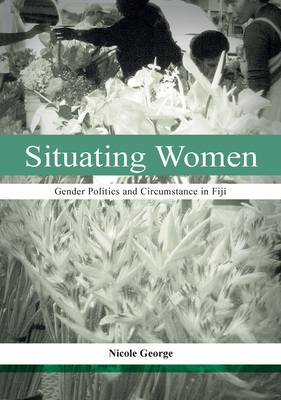
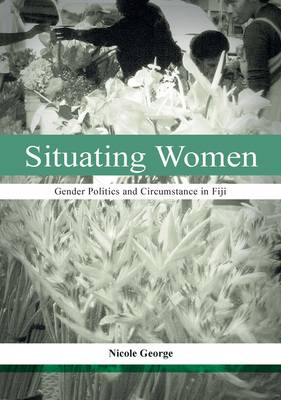
Since the time of decolonisation in Fiji, women's organisations have navigated a complex political terrain. While they have stayed true to the aim of advancing women's status, their work has been buffeted by national political upheavals and changing global and regional directions in development policy-making. This book documents how women activists have understood and responded to these challenges. It is the first book to write women into Fiji's postcolonial history, providing a detailed historical account of that country's gender politics across four tumultuous decades. It is also the first to examine the 'situated' nature of gender advocacy in the Pacific Islands more broadly. It does this by analysing trends in activity, from women's radical and provocative activism of the 1960s to a more self-evaluative and reflexive mood of engagement in later decades, showing how interplaying global and local factors can shape women's understandings of gender justice and their pursuit of that goal.
Specificaties
Betrokkenen
- Auteur(s):
- Uitgeverij:
Inhoud
- Aantal bladzijden:
- 278
- Taal:
- Engels
Eigenschappen
- Productcode (EAN):
- 9781922144140
- Verschijningsdatum:
- 1/11/2012
- Uitvoering:
- Paperback
- Formaat:
- Trade paperback (VS)
- Afmetingen:
- 176 mm x 250 mm
- Gewicht:
- 635 g


Alleen bij Standaard Boekhandel
+ 93 punten op je klantenkaart van Standaard Boekhandel
CADEAU

AANGERADEN


Beoordelingen
We publiceren alleen reviews die voldoen aan de voorwaarden voor reviews. Bekijk onze voorwaarden voor reviews.