



- Afhalen na 1 uur in een winkel met voorraad
- In januari gratis thuislevering in België
- Ruim aanbod met 7 miljoen producten
- Afhalen na 1 uur in een winkel met voorraad
- In januari gratis thuislevering in België
- Ruim aanbod met 7 miljoen producten





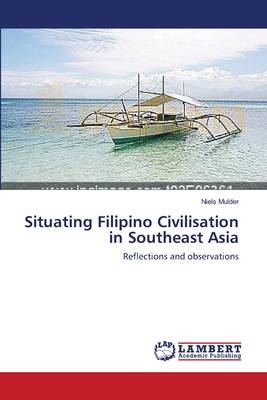
Situating Filipino Civilisation in Southeast Asia
Reflections and observations
Niels Mulder
Paperback | Engels
€ 77,95
+ 155 punten
Omschrijving
With their national origin in Spanish imperialism, and in the wake of two waves of intensive cultural colonisation, educated Filipinos often are at a loss about their roots. In order to clarify the enduring debate about what it means to be Filipino, this collection of essays traces the evolution of the characteristic ethos in relation to state and nation. Through tying up the past and the present, the evolution of and the continuities in basic social organisation and world view come into sight, while gaining perspective through pinpointing contemporary and historical correspondences with Javanese and Thai ideas and practice. The leading approach through culture is complemented with reflections on common Southeast Asian principles of social construction, and with tracing the systemic splits that prevent Filipinos from identifying with the whole and to grow into a nation of committed citizens. These reflections are rounded off with illustrative instances of everyday experiences and observations. Altogether, this text will be relevant to both scholarly researchers and others with practical interests in the Region to better know the people they are or will be dealing with.
Specificaties
Betrokkenen
- Auteur(s):
- Uitgeverij:
Inhoud
- Aantal bladzijden:
- 248
- Taal:
- Engels
Eigenschappen
- Productcode (EAN):
- 9783659130830
- Verschijningsdatum:
- 22/05/2012
- Uitvoering:
- Paperback
- Afmetingen:
- 150 mm x 13 mm
- Gewicht:
- 347 g


Alleen bij Standaard Boekhandel
+ 155 punten op je klantenkaart van Standaard Boekhandel
Cadeau

AANGERADEN


Beoordelingen
We publiceren alleen reviews die voldoen aan de voorwaarden voor reviews. Bekijk onze voorwaarden voor reviews.