


- Afhalen na 1 uur in een winkel met voorraad
- Gratis thuislevering in België vanaf € 30
- Ruim aanbod met 7 miljoen producten
- Afhalen na 1 uur in een winkel met voorraad
- Gratis thuislevering in België vanaf € 30
- Ruim aanbod met 7 miljoen producten





€ 169,95
+ 339 punten
Omschrijving
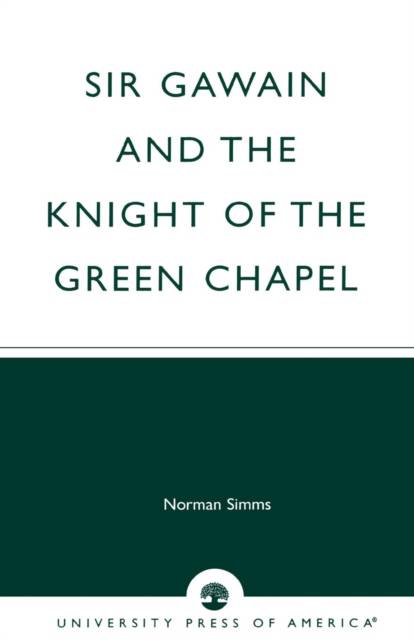
Although the Middle English poem known as 'Sir Gawain and the Green Knight' is assumed to be a kind of comic or satirical romance deriving from the Christian courts of England in the fourteenth century, several strange features suggest a different origin and generic categorization. Renaming it Sir Gawain and the Knight of the Green Chapel initiates the defamiliarization process. This book argues that the poet and his or her milieu belong to the small and confused converso community left behind after the Jewish expulsions at the end of the thirteenth century and still wondering who they were and what their place in society might be. Such a perspective may help explain why the goal of the young Sir Gawain is not only not green or even a chapel, but also why he arrives in the Castle of Hautdesert and undergoes a totally unexpected series of ordeals and tests.
Specificaties
Betrokkenen
- Auteur(s):
- Uitgeverij:
Inhoud
- Aantal bladzijden:
- 428
- Taal:
- Engels
Eigenschappen
- Productcode (EAN):
- 9780761821519
- Verschijningsdatum:
- 18/04/2002
- Uitvoering:
- Paperback
- Formaat:
- Trade paperback (VS)
- Afmetingen:
- 140 mm x 216 mm
- Gewicht:
- 544 g


Alleen bij Standaard Boekhandel
+ 339 punten op je klantenkaart van Standaard Boekhandel
Cadeau

AANGERADEN


Beoordelingen
We publiceren alleen reviews die voldoen aan de voorwaarden voor reviews. Bekijk onze voorwaarden voor reviews.